Summer trends follow a simple logic: warmth arrives, constraints loosen, and people reach for things they might not have dared in March. Some of what emerges is genuinely seasonal, in the way that a linen shirt left out in November just looks sad. But some of it belongs to a longer conversation, and the moment the temperature drops is actually the best time to see which is which.


The error most people make is treating the seasonal wardrobe swap as binary. Summer box goes into storage, winter box comes out, and anything that got popular between May and August gets filed under “that was a phase”. The smarter move is to look hard at what actually worked for real reasons rather than just calendar ones, and carry those things forward in forms that suit darker mornings and heavier fabrics.

Quiet Colour and What It Survives

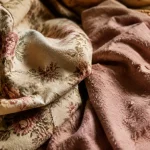
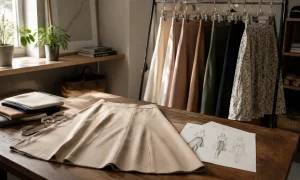
This past summer saw a particular appetite for what might loosely be called “quiet colour”: terracotta, warm stone, dusty mauve, faded sage. Not the acid brights that come around every few years and photograph beautifully before exhausting everyone. These were the colours of bleached walls and old ceramics, muted enough to feel restrained but warm enough to avoid the grey-beige rut that passed for minimal dressing for too long.

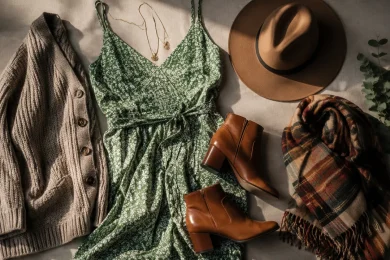
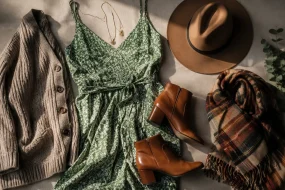
These shades carry directly into autumn without alteration, and this is not a small thing. Terracotta in October looks like something that was always meant for October. Dusty sage beside rust-coloured leaves is a better combination than it ever was beside a bright July sky. The seasonal crossover here is almost too easy, which is part of what makes these tones worth holding onto: they stop working only when the palette gets pushed toward winter’s true cold, the charcoals and icy blues that arrive in January. Until then, they age gracefully.

What trips people up is the fabric. A sage linen dress in September feels out of step. The same colour in brushed cotton, a fine knit, or a heavier crepe feels entirely right. The trend itself survives the transition; only the material needs renegotiating.

Flat Sandals and the Question of When They Actually Stop

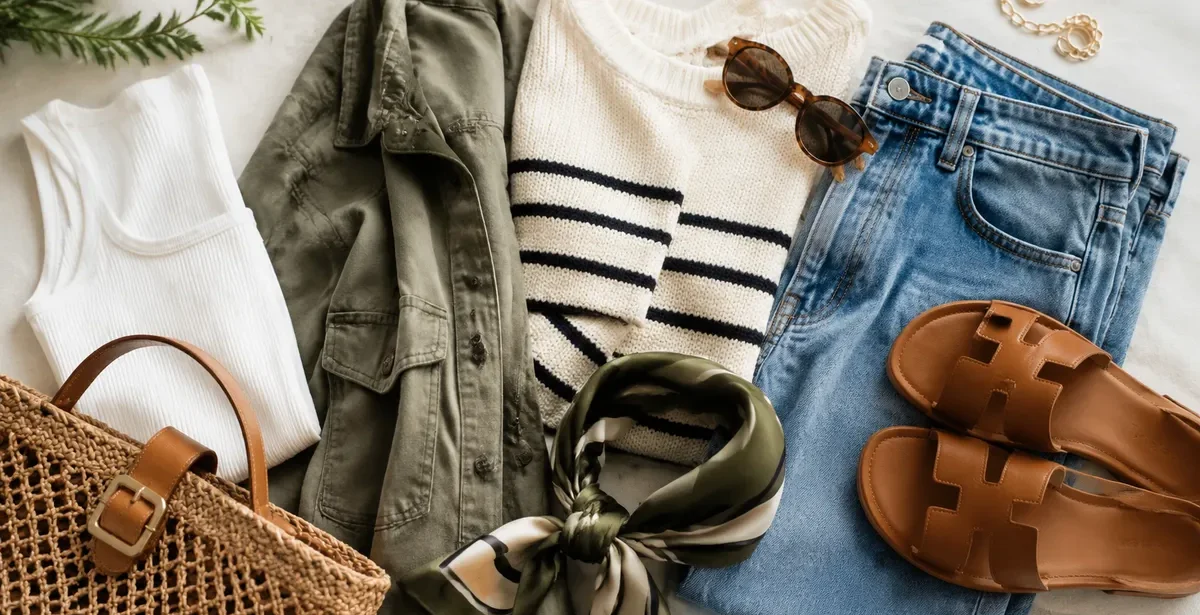
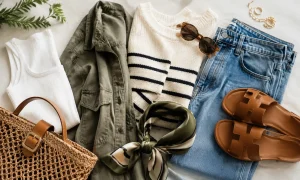
Flat leather sandals had a strong run this summer, and the instinct in late August is to box them up immediately. Resist it a little longer. In British weather, there are usually three to four weeks in September that still allow bare feet, and in that window a good leather sandal often looks better than it did in the height of summer, precisely because everyone else has abandoned the idea. There is something about wearing them against darker clothing, with trousers rather than a sundress, that gives them more weight.

The honest cut-off is the one your feet dictate, not the calendar. When it is genuinely too cold, the sandal loses its ease and starts to look like a statement rather than a straightforward choice, which is the opposite of what made flat sandals appealing in the first place. Their whole argument is that they require no effort. The moment they start requiring effort to justify, put them away.

Broderie and Heavy Texture Carried Differently

Broderie anglaise is a summer fabric by reputation and by most stylists’ instinct, but that reputation is based almost entirely on how it gets styled rather than what the fabric actually is. The openwork texture reads as light because it has been shown to us in white, in floaty silhouettes, in beach-adjacent contexts for so long that we’ve confused the associations with the material itself.

A broderie blouse in off-white worn under a dark blazer in October is a different proposition entirely. The texture becomes interesting against heavier outer layers rather than swamped by them. The same logic applies to eyelet detail, tocrochet inserts, to any open-weave element that spent the summer doing pastoral-countryside work: layer it underneath something with structure and it shifts register entirely.

This requires a certain confidence, because it looks deliberately unfamiliar for a moment before it settles. But that unfamiliarity is actually the point. It reads as considered rather than seasonal, and considered is what separates a wardrobe that keeps working from one that has to be rebuilt every six months.

The Oversized Shirt’s Second Act

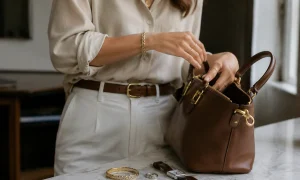
Oversized cotton shirts had another resurgence this summer. They are a perennial, of course, but this particular wave felt less about the men’s-shirt-borrowed-from-the-wardrobe aesthetic and more about shirts that were deliberately cut loose in poplin and chambray, worn half-tucked, sleeves rolled. Easy. Genuinely comfortable in heat.

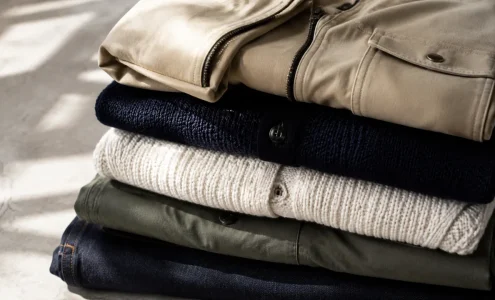
These shirts are one of the cleanest transitions into autumn of anything on this list. Worn open over a long-sleeve crew neck, they function as a light layer in the way a more structured jacket sometimes cannot, particularly in that ambiguous in-between weather that characterises most of September and October. The volume that felt summery when worn alone becomes useful when it is containing something underneath.

The detail worth paying attention to is collar construction. A shirt with a softer, unstructured collar layers more naturally than one with a stiff spread collar that wants to be the focal point. The former disappears cooperatively under outerwear; the latter fights it.

Trends Designed Only for Summer Light

Some things are worth retiring on schedule, and honesty requires saying so. Crochet cover-ups, brightly printed co-ords designed around a beach context, anything with spaghetti straps as its only structural support: these are not transitional. They belong to a temperature and a quality of light that genuinely does not survive past August in this country, and forcing them into October is the kind of exercise that ends with an outfit that looks like it is making an argument rather than just getting dressed.

The same goes for hyper-saturated colour, the kind that needs strong afternoon sun to look like anything other than aggressive. Mediterranean holiday colour works because the backdrop earns it. Against grey October skies in a British city, the same shade reads differently, louder without the contrast that made it beautiful.

There is no shame in seasonal dressing. The problem arises only when peoplecling to summer things out of reluctance to engage with autumn rather than because the item genuinely works. That reluctance tends to produce outfits that feel defensive rather than chosen.

Jewellery and the Case for Year-Round Simplicity

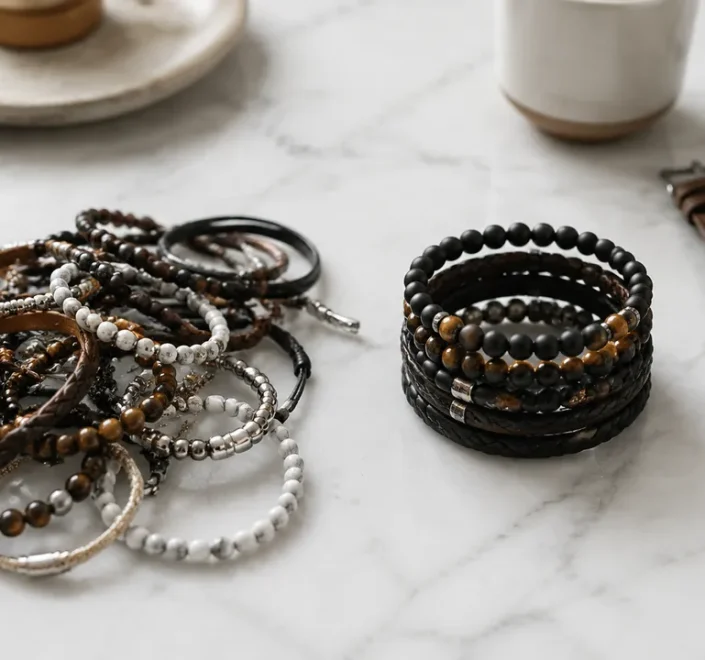
Summer this year leaned hard into sculptural gold jewellery: large hoop variations, chunky chain links, statement earrings with visible weight and movement. These were worn against tanned skin and simple fabrics in a way that made the pieces look effortless, which is always jewellery’s highest ambition.

Most of this travels well. Gold in particular becomes more rather than less interesting against the darker tones of autumn dressing. A substantial gold chain worn over a fine-gauge navy knit in November is a combination with a long and honourable history. The pieces that might not carry over are the ones that relied specifically on visible skin: an upper arm cuff, for instance, or ankle chains that were always at their best barefoot. These are summer-specific in the way flat sandals are: honest about their season rather than pretending otherwise.

The sculptural earring, though, survives everything. It does not require bare shoulders or summer context. It just requires a clear face and the confidence to wear it, which turns out to be available in October too.

When the Clog Comes Back Around

Clogs returned in a quiet but definite way this summer, partly as an extension of the comfort-first footwear conversation and partly because the silhouette photographs well with wide-leg trousers. They have always occupied an odd position: earnest in the wrong context, exactly right in others.

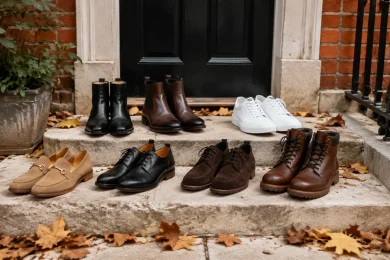
Autumn is actually their better season. A leather or wood-soled clog with a thick sock and tailored trousers is a complete look in a way that the same shoe with summer linen shorts never quite managed. The weight of the shoe needs weight elsewhere to feel balanced. They were always a colder-weather proposition dressed up in summer enthusiasm, which means September is where they start making proper sense rather than where they have to stop.

The ones worth keeping are the plainer ones: unadorned leather, a clean silhouette, no platform exaggeration. The statement versions with significant heel lifts tend to peak in the season they arrive and date quickly; the quieter versions just slowly become part of a wardrobe without announcing themselves.

What the Transition Actually Asks Of a Wardrobe

The question of which summer trends survive is ultimately a question about versatility, and versatility is harder to assess than it looks in July. The light is better in summer. The mood is better. Things seem to work in August that reveal their limitations by October, and not because the items changed.

The useful test is to hold a summer item in your hands in late September and ask whether it needs warmth and good light to make its case. If the answer is yes, that is the item’s honest limit, and there is no loss in accepting it. If it can make its case in a grey morning, in lower light, against heavier fabrics, it was probably never a trend at all. It was just a thing that worked, which is a different category entirely.

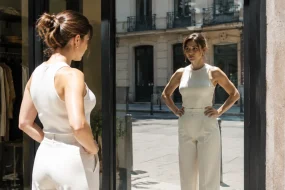
A terracotta linen blazer from July, re-lined in imagination with something warmer, worn over a cream roll-neck in the first week of October: that is not a summer trend pushed past its date. That is a wardrobe doing what a wardrobe is supposed to do, which is make the decision before you even get to the mirror.

Leave a Reply

Your email address will not be published. Required fields are marked *