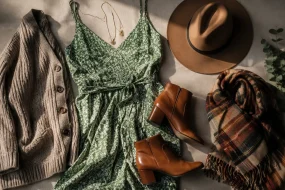
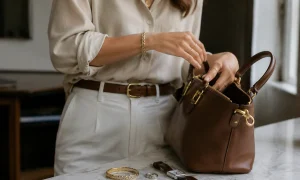
Spending four hundred pounds on a dress does not make it a good date outfit. This is obvious when stated plainly, and yet the logic persists: something expensive must signal effort, taste, and a self that is worth knowing. That logic is how people end up overdressed, physically miserable, and so preoccupied with their own appearance that they forget to be present for the actual evening.
Price and occasion-fitness are simply different measurements. Acouture gown is a masterpiece of construction and entirely wrong for a first dinner at a neighbourhood restaurant. A cashmere coat is extraordinary fabric and does nothing useful if the date involves a forty-minute walk. These things do not contradict each other. They just describe different qualities of the same object, and dressing well for a date requires you to care about the second quality, not only the first.
What the Price Tag Is Actually Measuring
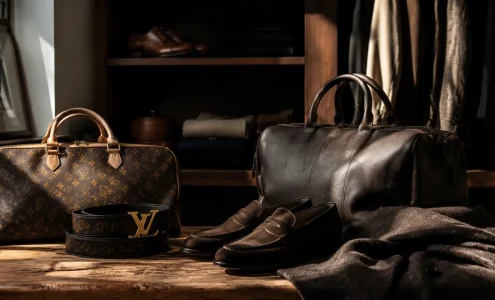
High prices in clothing generally reflect three things: quality of materials, complexity of construction, and the cost of the name on the label. Sometimes all three are present. Sometimes it is mostly the third. A piece from a luxury house can be beautifully made, or it can be an ordinary garment riding on branding. The buyer frequently cannot tell the difference at a glance, which is part of the business model.


None of these factors measures how the garment will function on a specific evening with a specific person in a specific setting. A silk blouse cut for a boardroom silhouette may be magnificent in the abstract and produce an evening of minor physical awkwardness, tugging, and self-consciousness when worn on a bar stool for three hours. The fabric is still silk. The construction is still excellent. The evening is still mildly uncomfortable.
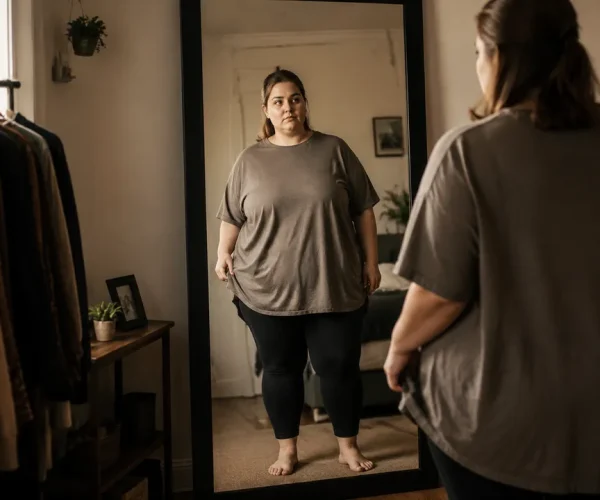
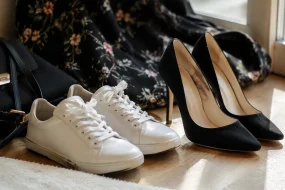
Comfort is not a shallow concern. Someone who is at ease in what they are wearing talks differently, moves differently, laughs differently. The physical sensation of clothing genuinely affects posture and attention. A waistband that digs in, a neckline that requires constant adjustment, heels that make every cobbled street a small ordeal: these pull focus inward, toward the body and the outfit, at exactly the moment when focus should be moving outward, toward the other person.
The Specific Problem with Dressing to Impress
Dating introduces a particular temptation: to use clothing as a substitute for confidence rather than an expression of it. The expensive piece becomes a prop, something to stand behind. The reasoning goes that if the outfit is visibly costly and visibly correct, the person wearing it has cleared a threshold before saying a word.
This reasoning tends to produce outfits that are performing rather than communicating. An outfit that is clearly trying very hard, very visibly, creates a slightly formal atmosphere. It signals anxiety as often as it signals taste. A date who picks up on sartorial effort as obvious effort may find it endearing, or may feel a low-level pressure to match it, or may simply register something slightly stiff in the room without being able to name it.
The outfits that read as most attractive tend to have a quality of ease. They look considered but uncontrived. That quality is almost impossible to buy directly because it depends on the relationship between the person and the clothes, not on the clothes themselves. Someone wearing a thirty-pound jumper they have broken in over two years of weekends will often read as more relaxed and appealing than someone wearing a two-hundred-pound jumper purchased specifically for the occasion and worn for the first time that evening.
Fit Does More Work Than Any Label
The single biggest visual factor in how clothing reads is fit, and fit is only loosely correlated with price. Ready-to-wear at any price point is cut to a generic body. An expensive jacket that does not sit correctly on a particular set of shoulders looks worse than a cheaper jacket that happens to land perfectly. This is not a controversial claim among tailors or stylists; it is a professional commonplace. A small alteration,costing perhaps fifteen or twenty pounds, can do more for a garment’s appearance than the difference between a mid-range and a high-end version of the same piece.
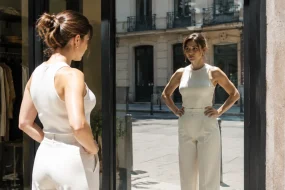
Fit also affects how a person carries themselves. Clothing that fits well does not require management. The wearer is not redistributing fabric or standing in a particular way to make something hang right. That freedom shows, and it registers as ease rather than effort, which is precisely the impression a date outfit should create.
Occasion Mismatch Overrides Everything Else
Arriving somewhere dramatically overdressed is socially uncomfortable for both parties. It creates a disparity that requires management: the underdressed person may feel caught out, the overdressed person may feel self-conscious about their own miscalculation, and both are now thinking about clothing instead of each other. This dynamic does not improve the evening.
A more expensive outfit does not reduce the risk of this mismatch; it often increases it. The pull toward formality tends to scale with price because expensive pieces often occupy the formal end of the market. Choosing them for a casual first meeting introduces exactly the kind of tonal gap that makes a first impression read as slightly off rather than confident.
Reading the occasion correctly is its own skill, entirely separate from knowing how to dress well in the abstract. It requires thinking about the specific venue, the time of day, what the other person is likely to wear, and what the evening is meant to feel like. These are social calculations, not financial ones. They cannot be solved by spending more money.
Colour, Texture, and the Things Noticed at Close Range
A date is one of the few social contexts where someone will spend several consecutive hours looking at you from roughly a metre away. That proximity changes what matters in an outfit. Large-scale silhouette and logo visibility become less relevant; colour, texture, and small details become more so.
Colour is worth thinking about carefully. Most people have learnt, through experiment or feedback, which tones work with their colouring and which flatten it. This knowledge is more useful than a budget. A well-chosen, inexpensive shirt in the right shade will read better up close than an expensive one in a colour that does nothing for the person wearing it.
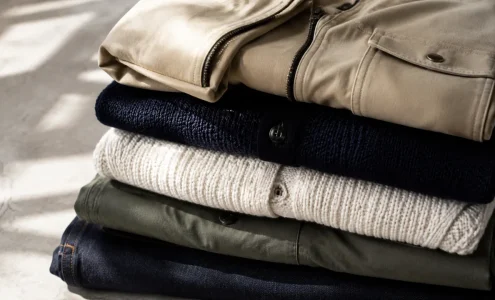
Texture operates similarly. Fabric with some interest to it, a fine knit, a brushed cotton, a light weave, gives the eye something to settle on without announcing itself loudly. It registers as considered rather than showy. Highly synthetic fabrics can undermine even an expensive cut because they read as less pleasant at close range, visually and sometimes literally.
The Afternoon Before and the First Five Minutes
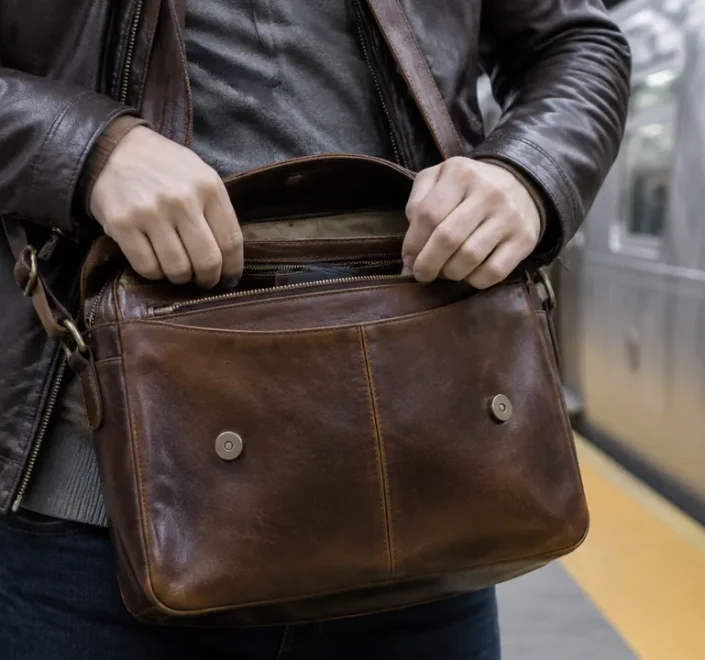
One overlooked dimension of date dressing is the time between putting the outfit on and arriving. An outfit that requires sustained maintenance, heels that need to be taken off on the Tube, a jacket too warm to wear outside but too cold to carry, a bag too small to hold anything useful, creates a minor logistical obstacle course that colours mood before the evening has started.
Practicality in this sense is a form of respect for the occasion. It means the evening can start well rather than starting with recovery. The best outfit for a date is the one that disappears into the background once it is on, leaving the wearer free to think about something other than themselves. Price has almost nothing to do with whether a garment achieves this.
There is a particular kind of confidence that comes from wearing something that feels like you on a good day, rather than a version of yourself reaching for an occasion. That confidence is visible to other people in small, non-articulable ways: in how someone sits down, how they pick up a glass, how they speak without distraction. No price tag produces it. Wearing the right thing, for the right evening, in the right way, is what produces it, and those three variables are mostly free to get right.