Date nights have a wardrobe problem. Two entirely different aesthetics compete for the same evening, and choosing between them without thinking it through properly can produce that deflating feeling of being either underdressed for the venue or overdressed for the person sitting across the table. Casual chic and full glamour are not just different points on a dial. They operate on different logics, flatter different moments, and send different messages.
Getting that choice right matters more than most people admit.
What Casual Chic Actually Means (and What It Does Not)
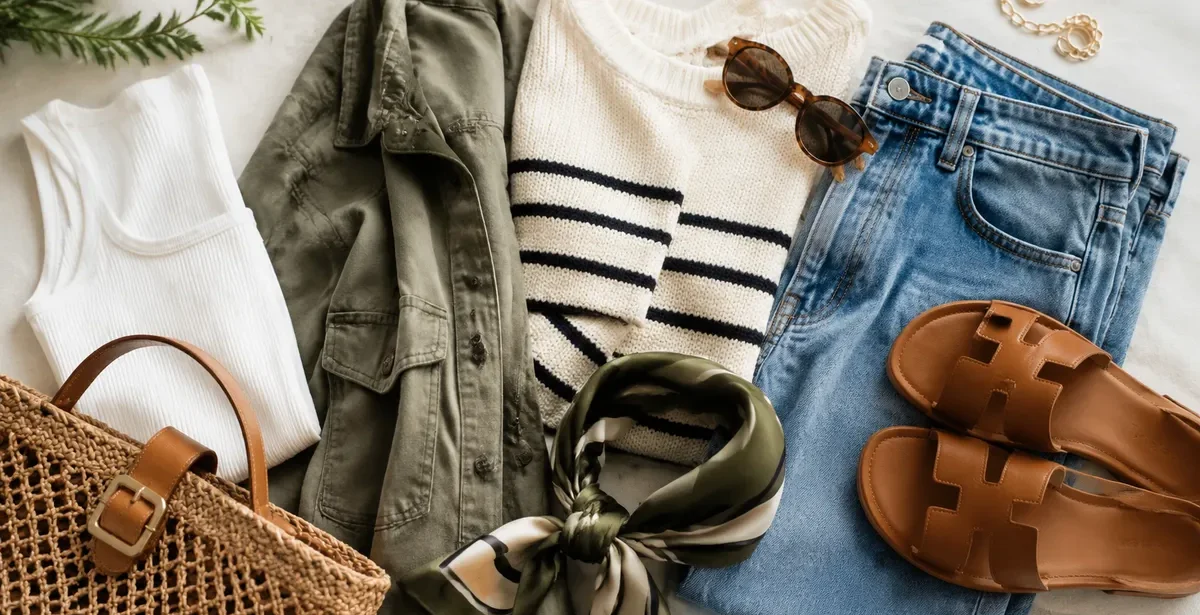
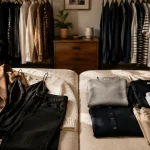
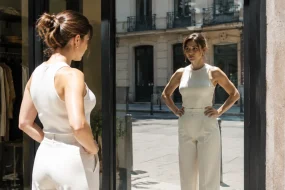
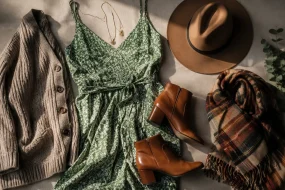
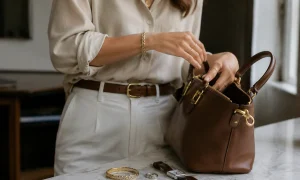
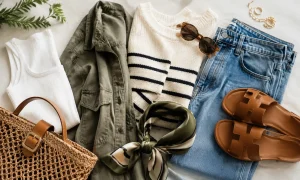
Casual chic has been stretched so far it risks meaning nothing. It ends up covering everything from a pristine white shirt and tailored trousers to a vintage band tee tucked into a midi skirt. What ties the genuine article together is effortful understatement: the outfit looks considered but not laboured over. A well-cut pair of wide-leg trousers in a neutral linen, a simple silk-blend cami, one interesting earring rather than a full set of jewellery. The confidence lives in the restraint.


What it is emphatically not is getting dressed in a hurry and calling it intentional. The “chic” half does real work. A soft blazer over a plain tee achieves it. A wrinkled linen dress that fits badly does not, regardless of how neutral the palette is.
The other thing casual chic does particularly well on a date is keep the focus on conversation rather than spectacle. When the outfit is quiet, the person wearing it tends to come forward. That is not a small thing.
The Logic of Glamour
Glam operates on completely different terms. Where casual chic whispers, glam announces. A floor-length slip dress in deep wine, a column dress with structural shoulders, a sequinned skirt paired with a simple top that lets the fabric do the talking. The whole point is visual impact. Glamour does not try to look effortless; it is openly, unapologetically dressed up, and that candour is part of its appeal.
Done well, glam creates its own atmosphere. The act of dressing that way sets an expectation for the evening that is enjoyable in itself. It says: tonight is distinct from an ordinary Wednesday. There is something honest about that.
The risk is misjudging the room. Glam lands hard when the setting can hold it: a hotel bar, a good restaurant with dim lighting and tablecloths, a cocktail party, somewhere that has its own visual weight. Put the same outfit in a neighbourhood bistro with paper menus and it tips from glamorous to effortful in a way that becomes its own distraction.
Reading the Venue
Venue is the clearest guide, and it is worth being specific about what “venue” means in practice. It is not just the food category or the price point. It is the physical atmosphere: the lighting (low and warm versus bright), the noise level, the furniture, the clientele on any given evening. A candle-lit Italian restaurant in a converted Victorian townhouse calls for something different than a buzzy modern wine bar where everyone arrives in smart separates.
Low lighting is a practical gift to glamour. Sequins and metallics are designed to catch and throw artificial light, and they need it. Under the flat light of a brunch setting or a casual lunch date, the same dress that looked extraordinary at 9 pm on a Saturday looks incongruous at noon on a Sunday. Time of day is part of the venue calculation.
An outdoor setting in summer complicates glamour further. Cobblestones and stilettoes have a long and uncomfortable history together. Casual chic has a much easier relationship with outdoor evening dining: a satin bias cut slip with flat leather sandals and a light linen jacket over the shoulders reads as genuinely elegant without requiring a concrete floor.
Reading the Relationship
Venue aside, the stage of a relationship changes what the outfit is doing and what it communicates. On a first or second date, both aesthetics carry information the other person will read, whether consciously or not. Glam on an early date signals investment in the evening, which is appealing but can also set a formality that is hard to walk back if the conversation turns casual and easy. Casual chic gives more room to move: it can accommodate a relaxed drink and escalate gracefully to dinner without feeling like either person dressed for a different plan.
On a well-established date with a long-term partner, glam earns different currency. A deliberate, dressed-up evening after months of weekday routines is a gesture. It breaks the pattern. The outfit itself communicates that the evening was worth preparing for, which carries its own warmth. Casual chic in the same context risks blurring into the texture of ordinary life, which may or may not be a problem depending on whether the goal was to mark the night as special.
None of this is absolute. A couple who are deeply at ease with each other can pull off a lavishly glamorous night out precisely because the extravagance feels like play rather than performance. Context and ease are everything.
Comfort as a Factor People Underweight
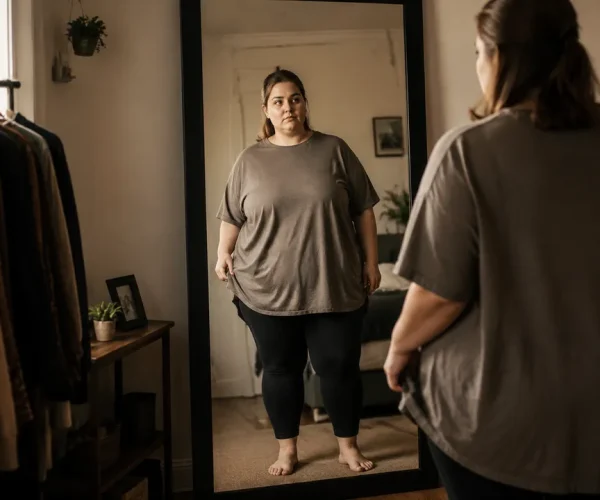
There is a version of this conversation that never mentions physical comfort, and it is a dishonest version. Glamorous dressing frequently asks something of the body: heels that limit movement, a structured dress that cannot accommodate a second course easily, a silhouette that requires a particular posture to carry well. For a two-hour dinner this is manageable. For an evening that moves from drinks to dinner to a walk to somewhere else, those physical costs accumulate.
Casual chic has a genuine advantage here that rarely gets acknowledged as an aesthetic virtue. The ease of movement and the absence of physical self-consciousness frees up attention. Someone in a well-cut trouser and a beautiful top is not monitoring the situation in the same way as someone in a tight formal dress on a long night. That unselfconsciousness reads on the face and in the body language, and it is attractive in its own right.
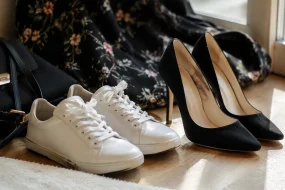
Glamour can be comfortable. A bias-cut slip dress in a good jersey fabric, block-heeled shoes rather than stilettos, earrings instead of a full face of sculpted makeup: these choices keep the visual register high while reducing the physical tax. The most effective glam looks tend to make exactly these adjustments without advertising them.
Mixing the Two Without Losing Either
The more interesting territory sits at the intersection. Casual chic can absorb one genuinely glamorous element without collapsing into costume. A simple, well-fitting trouser in black, a clean top, and one genuinely dramatic earring: the earring does glamour’s work while the rest of the outfit holds the casual chic register. A beautiful heel on an otherwise unfussy outfit borrows the elongation and formality of glam without requiring the whole commitment.
The glam-to-casual direction works too, though it requires a sharper edit. A strong, formal dress becomes easier to read if one element is deliberately loosened: hair down and informal rather than styled up, a blazer thrown over the shoulders, flat shoes. The contrast between the elevated garment and the easy detail creates visual interest and also signals that the person is comfortable, not performing.
What does not work is mixing in a way that looks undecided rather than intentional. A sequinned skirt with a pulled-on jersey top is not effortless, it is unfinished. The difference between a hybrid that reads as confident and one that reads as halfhearted is usually whether there was a clear decision about which aesthetic is leading and which is supporting it.
When the Choice Is Actually About the Mood You Want to Be In
At some point the calculation shifts from practical questions about venue and relationship stage and becomes something more internal. Getting dressed for a date is partly about deciding who you want to be for the evening, or more precisely, which aspect of yourself you want to lead with. Glamour puts a particular self forward: polished, deliberate, visually confident in a high-key register. Casual chic forwards a different self: comfortable in its own skin, able to make something beautiful without announcing the effort.
Neither of those is a performance or an affectation. Both are genuine modes that suit different moods and different seasons of life. Someone in the middle of a stressful week who needs the date to feel like relief rather than more effort will dress differently, and make the right call, than someone who has been looking forward to the evening all week and wants to mark it accordingly.
The worst date night outfit is the one chosen in resentment of the question, thrown on without a real decision, sending a signal the wearer never intended. A few minutes of actual thought, whether it ends in a sequin dress or a silk blouse and wide-leg trousers, produces a result that is coherent and, by extension, confident. And on a date, confidence in a silk blouse will almost always outperform anxiety in a couture gown.