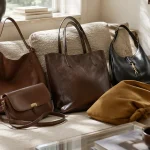
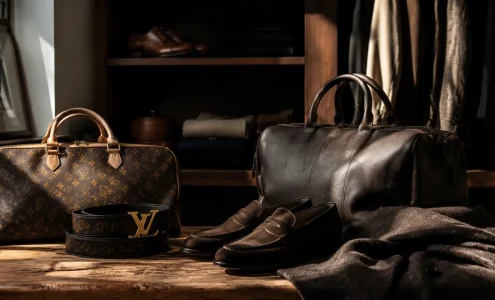
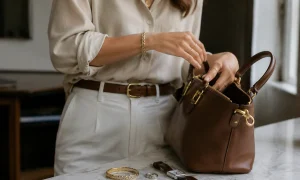
Leather bags are having a particular kind of moment in 2025, and it is not the quiet, understated kind. The pieces turning heads at showrooms, appearing on the arms of stylists leaving appointments, and selling out between restocks are doing something more specific: they are being used, visibly and daily, with an ease that expensive bags rarely project. Fashion insiders, who by professional necessity carry a great deal and need it to survive both a packed schedule and a light rain, have converged on a set of shapes and names that reward sustained attention.

What is trending this year is not a single silhouette but a mood: structured without being rigid, capacious without bulk, and finished in leathers that start beautiful and wear in rather than wearing out. The vocabulary has shifted away from the logo-heavy status bags of a few years ago. What matters now is leather quality, considered hardware, and a shape that flatters the human body in motion, not just on a shelf.
The Tote That Actually Holds Everything
Polène’s structured totes have been circulating among buyers and press for a couple of seasons, but 2025 has seen them reach genuine saturation among working insiders in a way that feels less trend and more consensus. The Number One Midi, in particular, has become a fixture: it holds a laptop, a water bottle, and the various detritus of a busy day without losing its architectural posture. The vegetable-tanned leather softens with handling and develops a patina that reads as cared-for rather than neglected.
A.P.C.’s Half-Moon tote occupies a slightly different niche: less structured, a little roomier, with a seam-curved base that distributes weight in a way that is noticeably kinder on the shoulder. Stylists have been reaching for it when they need something that functions as a workhorse but photographs well. The glazed pebbled leather holds its surface through daily use in a way that smooth leathers do not always manage.
Crossbody Shapes That Have Replaced the Shoulder Bag
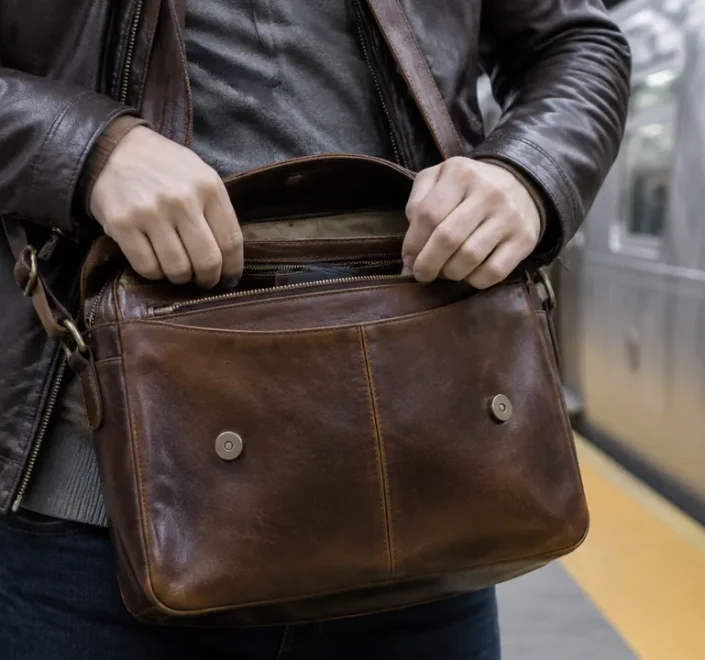
The crossbody has been a staple for years, but what is different now is the scale. The micro-bags of several seasons ago have given way to something more generous, roughly the size of a hardback book, with a longerstrap that hits at the hip or thereabouts. This is a practical shift as much as an aesthetic one: it frees both hands, sits flat against the body, and can carry a phone, a wallet, keys, a small notebook, and a backup charger without struggling.
Cyme, a Copenhagen-based label, has been getting substantial attention for its Pebbled Crossbody, a clean rectangular design with a single exterior pocket and oxidised brass hardware. The strap is adjustable to an unusually long length, which is part of why it has resonated with taller wearers who have long struggled to find crossbodies that sit correctly. The leather is relatively stiff out of the box but softens over the first few weeks into something noticeably supple.
Totême’s leather crossbody bags have been a quieter but persistent fixture this year. The brand works in a narrow palette, mostly toffee, black, and a warm off-white that photographs almost as ivory, and the bags match that restraint: minimal seaming, no visible branding, and a quality of leather that justifies the price point in a way that is immediately apparent when handled.
The Return of the Structured Satchel
Satchels fell out of fashion so completely a few years ago that their return now feels genuinely earned rather than nostalgic. The shape being embraced is not the floppy, overstuffed version of a decade past but something more considered: a rigid or semi-rigid body, a top handle that can carry it at the elbow, and a detachable strap for longer carry. This versatility is central to its appeal among insiders who move between meetings, events, and transit across a single day.
Métier London’s Closer bag, in full-grain calfskin, has earned genuine admiration from those in the fashion industry who own one. The brass fittings are weighty and well-finished, the interior is organised without being fussy, and the bag holds its shape even when not fully loaded. It is made in small quantities, which contributes to occasional stock shortages, but also to a consistency in quality that larger production runs rarely sustain.
Wandler’s Hortensia satchel, produced in the Netherlands, has a slightly more sculptural quality: the curved flap and rounded corners give it the look of something considered rather than merely constructed. It has been particularly visible among fashion directors and buyers at European trade events this season, often in the brand’s signature tan or in a deep burgundy that has been performing well commercially.
Bucket Bags Done Properly
The bucket bag is a forgiving shape and has therefore attracted a lot of poor execution. What separates the versions trending among informed buyers from the generic mass-market iterations is the base construction and the leather weight. A bucket bag in thin leather sags within months and develops an unflattering droop around the drawstring. The ones holding sustained interest are made in leathers heavy enough to maintain their cylindrical profile even when not fully loaded.
Loewe’s Flamenco bucket, in nappa leather, is the reference point here. The leather is soft enough to fall beautifully but has sufficient body to avoid looking deflated. The knotted drawstring closure is practical and has a relaxed elegance that suits the bag’s overall register: it functions as effortlessly as it looks, which is rarer than it should be in this price bracket.
At a more accessible price, Staud’s Bisset bag has been moving consistently this year, particularly in a warm cognac and a dark forest green. The shape is slightly more squared at the base than a traditional bucket, which gives it a bit more stability when set down, and the single interior pocket is positioned in a way that keeps small items actually reachable.
Hardware, Colour, and the Decisions That Define a Season
Two hardware finishes have been dominating this year: oxidised brass and antique gold, both sitting in that territory between yellow gold and bronze. Polished silver has receded considerably. The shift reflects a broader move towards bags that look collected rather than purchased, pieces that could plausibly have been found at an estate sale or passed down, even when they are clearly new.
In terms of colour, the neutrals holding ground are warm rather than cool: caramel, toffee, tobacco, and a range of cognacs that read differently depending on light. These are leathers that age visibly and attractively, accumulating small scuffs and a gradual deepening of tone that improves the bag rather than diminishing it. Black remains a constant, but the specific black performing best this season is one with a slight sheen rather than a flat matte finish.
Burgundy and a deep forest green have both broken through as accent colours for those willing to move beyond neutral. Several designers have introduced these in limited runs and found them selling ahead of the safer tones, which says something about where buyer confidence currently sits. An insider willing to commit to a coloured bag in full-grain leather is not making a trend purchase; she is making a long-term one, confident the shade will outlast the season that introduced it.
What Grain and Finish Actually Signal
Full-grain leather is the benchmark because it retains the complete surface of the hide, including the natural variations in texture and tone that make each piece slightly distinct. It is more expensive to source and to work with, which is why it is used consistently at higher price points and inconsistently everywhere else. The surface will scratch, but those scratches buff out or integrate into the patina. This is the property that informed buyers are specifically looking for: a material that improves with time rather than deteriorating from the first mark.
Top-grain leather, by contrast, has had its surface sanded and finished to create a uniform appearance. It is more resistant to early marks and is easier to maintain, but it does not develop the same patina and tends to peel at the coated surface layer after several years of heavy use. Many bags at the mid-market price point are made in top-grain leather without clearly stating this, which is worth knowing when comparing similar-looking options across brands.
Pebbled leather, regardless of grain type, tends to be more forgiving of daily use because the textured surface conceals light scratches and minor marks. This is one reason it appears so frequently in the crossbody and tote shapes that see the most intensive daily wear. The trade-off is that pebbled leather rarely develops a patina with the same definition or beauty as a smooth full-grain surface, so it is a practical choice rather than a sentimental one.
The Smaller Labels Earning Serious Attention
Beyond the established names, several smaller labels have been circulating with notable persistence in insider conversations this year. Destree, a Paris-based label, has been producing leather bags in small quantities with a focus on unusual proportions and unexpected closures. The designs are not safe, but they have been appearing with enough consistency on the kinds of people who set visual direction that they merit attention.
Cuir Triomphe, a workshop-based operation working in vegetable-tanned leathers, has developed a following among buyers who want complete transparency about the sourcing and finishing of their materials. The bags are made to order in small batches, which extends lead times to several weeks, but also means that the quality control is unusually consistent. The visual language is minimal to the point of severity, which suits a certain kind of buyer precisely.
Mulberry’s slow resurgence deserves mention here because it sits in an interesting position: a heritage British brand that spent several years in uncertain territory and has recently been producing some of its most convincing work. The Softie and the Lily, both in the brand’s signature natural grain leather, have been appearing among British fashion insiders with a frequency that feels like genuine rehabilitation rather than loyalty. The leather used in the current production runs is notably better than what was appearing under the same names three or four years ago, which is the kind of detail that matters to the people who buy carefully and keep things for a long time.