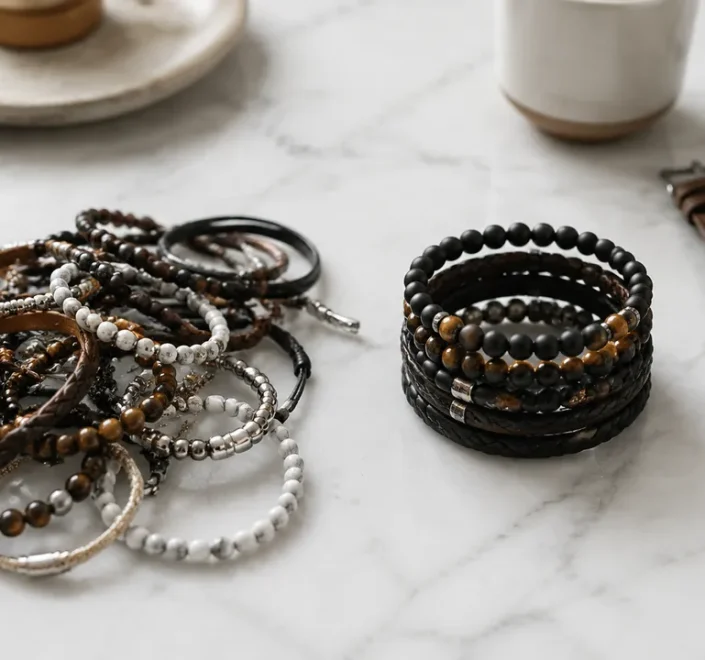
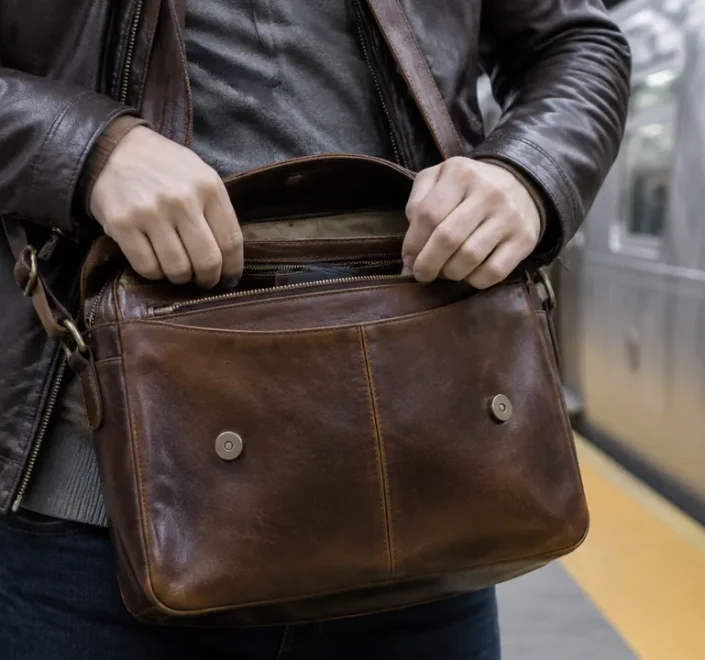
Leather has a smell, a weight, a small resistance when you bend it back on itself. Faux leather has none of that, even when it looks the part from ten feet away. The problem is that most shopping happens at a distance, and the places selling synthetic materials have gotten good at closing that gap just enough to create doubt. A little doubt is all it takes to hand over the money.

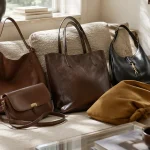
Fake leather is not inherently inferior for every purpose. Wallets, belts, car interiors, and certain fashion bags made from quality polyurethane can perform well for years. The frustration comes when someone pays full-grain prices for a bonded or synthetic product, or when a tag says “genuine leather” and the thing falls apart in eight months. Knowing how to read the material before buying is not about snobbery. It is about getting what you are actually paying for.


What the Tag Is Actually Telling You

Leather labeling follows a loose hierarchy, and most consumers never learn it. At the top sits full-grain leather, cut from the outermost layer of the hide with the natural surface intact. Below that is top-grain, which has been sanded or buffed to remove imperfections. Corrected-grain is further processed, often with an embossed pattern stamped onto it to mimic texture. At the very bottom of the genuine leather tier is bonded leather, which is essentially leather dust and scraps pressed together with polyurethane binders onto a fiber backing. It is technically leather by legal definition but behaves more like a soft vinyl that peels.

The words “genuine leather” on a tag are not a quality claim. They are the minimum. A bag stamped “genuine leather” could be bonded, which means the surface will start cracking and flaking within a couple of years under regular use. If a product costs $300 and the tag says only “genuine leather” with no further specification, that vagueness is worth treating as a warning.

PU leather, PVC leather, and “vegan leather” are synthetics entirely, and reputable sellers tend to label them plainly. The ones worth being cautious about are the items with no label at all, or tags that use soft phrases like “leather-like,” “premium material,” or “leather look.” Those are synthetic products avoiding the word.

The Grain Pattern Under a Close Look

Real animal hide has an irregular grain. Look closely at a piece of genuine leather and the pore pattern changes across the surface, small variations in size and spacing that reflect the fact it came from a living thing. Synthetic leather is manufactured, which means its surface pattern is stamped by a machine and repeats. Find the repeat and you have found the fake.

This is easiest to check on bags, belts, and wallets where a wide flat surface is exposed. Hold the item at an angle to a light source and look for a regular, almost tile-like repetition in the texture. On cheaper synthetics it is obvious. On higher-end PU products, the pattern may be subtle, but it is still there if the surface is examined across six or eight inches. Real leather does not do this.

The edges tell the same story. Genuine leather, cut on a bias, reveals a fibrous cross-section that looks something like suede or matted fabric. The fibers are dense and the edge is slightly rough. A synthetic material cut at the edge shows a smooth, clean face, sometimes with a visible backing layer: a thin sheet of polyurethane laminated onto a fabric or paper core. On bonded leather, the layers sometimes separate at the edge even before purchase, a small but clear signal.

How the Surface Responds to Pressure and Heat

Press a thumb firmly into real leather and hold it for a few seconds. The material warms slightly and the surface around the pressure point wrinkles in small, irregular folds that spread outward. Release the thumb and those wrinkles relax slowly, leaving a faint impression before the leather recovers. Synthetic leather does something different: the surface indents but stays cool, and the wrinkles around the pressure point are more uniform, almost geometric. The material snaps back faster or does not recover the same way.

This is not a perfect test in a store where the item is behind glass or in a sealed package. But for any purchase where physical handling is possible, it takes about five seconds and costs nothing.

The smell test is well known and still reliable. Real leather has an organic, slightly earthy smell that comes from the tanning process, whether vegetable-tanned or chrome-tanned. The character of the smell varies but it reads as animal material. Synthetic leather smells like plastic or chemicals, sometimes faintly, sometimes strongly. Bonded leather tends to smell like real leather when new, because it contains leather content, but the plastic binders are detectable underneath if the item is brought close. On a hot day or in a warm car, a synthetic will often off-gas enough to make the distinction easy.

The Water Drop Test

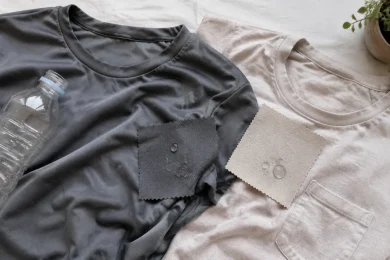
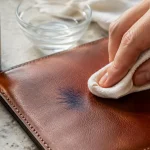
A small drop of water placed on the surface of genuine leather will absorb into the material within a minute or two, darkening the spot slightly before it dries and fades. This happens because leather is porous. PU and PVC synthetics are not porous; the water bead sits on top and rolls off cleanly. This test is useful in a store if there is a water source nearby and the seller will allow it, which most sellers in a reputable shop will not object to on a product they are confident about.

Lightly treated or heavily finished genuine leather may absorb water more slowly, so a quick surface bead in the first few seconds is not conclusive on its own. Give it 90 seconds. If the spot has not started to darken at all by then, the surface is sealed against moisture and the material is likely synthetic or very heavilycoated.

Weight and Flex

Genuine leather has mass. A full-grain belt, a thick wallet, a quality jacket: each one is heavier than its synthetic equivalent at the same thickness. This is partly because leather is a dense fibrous material and partly because quality pieces tend to be cut thicker. A bag that looks substantial but feels almost weightless when empty is often telling the buyer something.

Flex the material if possible. Genuine leather bends softly and returns without resistance, developing natural crease lines over time that are called a patina by the people who value them. A synthetic bends with a slight stiffness and, on cheaper grades, a faint plasticky sound. Very thin PU can actually feel softer than leather when new, but it lacks the give of an organic material: fold it sharply once and it often holds a crease or shows a white stress mark along the fold line. Real leather folds without whitening.

What Online Shopping Takes Away

Every test described above requires physical access to the product. Buying leather goods online removes most of that, which is why the market for misrepresented materials is heavily concentrated in e-commerce. A photograph cannot convey smell, weight, flex, or the behavior of a water drop. A photograph can convey grain pattern, but only if the seller has photographed the surface honestly and at close range, which many do not.

The signals that remain available online are the product description, the price point, the seller’s reputation, and the return policy. A product listed as “leather” with no further detail should be treated skeptically. A price that seems low for what is being claimed, say, a full-grain leather jacket at a fraction of market rate, is almost certainly synthetic. Return policies matter more than any other factor in online leather shopping: if the seller does not offer hassle-free returns, the risk of a misrepresented product falls entirely on the buyer.

Reading reviews closely helps. Buyers who received genuine leather tend to comment on the smell, the weight, how it softened over time. Buyers who received synthetic products describe cracking, flaking, peeling at seams and corners after a few months. The difference between those two patterns of feedback is usually clear if the reviews are read in bulk rather than cherry-picked from the top.

The Bonded Leather Problem in Furniture

Furniture retailers have made a significant business out of bonded leather. A sofa tagged “genuine leather” at a mid-range price is almost always bonded, and bonded leather furniture has a documented failure pattern: the surface begins to crack and peel, usually starting at the seat cushions and armrests where friction is constant, within two to four years of regular use. Once peeling starts it accelerates, and there is no practical way to repair it. The sofa goes from looking reasonable to looking destroyed without passing through any gradual middle stage.

On a furniture showroom floor, bonded leather feels and looks close to top-grain at a glance. The edge test works well here: look at the underside of a cushion or the back of the sofa frame where the material is folded and tacked. If the backing is visible and it looks like a thin laminate over a fabric base, with no fibrous cross-section, that is a synthetic or bonded material. The grain pattern test also applies: run a hand across a wide panel of the upholstery and look for the repeating stamp.

A full-grain or top-grain leather sofa costs substantially more, and that cost is real. But the calculus changes when the alternative requires full replacement in three years. The furniture industry knows that most buyers do not connect a peeling sofa back to a purchasing decision made years earlier, and that is the gap the “genuine leather” label exploits.

Leave a Reply

Your email address will not be published. Required fields are marked *