An oversized hoodie worn badly looks like a person who gave up. Worn well, it looks like a person who made a choice. The difference is almost never about the hoodie itself.
The garment has a genuine problem, and it is worth naming: volume on top with no counterweight below reads as shapeless. Once you understand that, the fixes become obvious. Every styling principle here is a solution to that one problem.
Tuck the Front Hem, Leave the Back
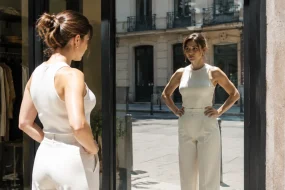
A full tuck on a hoodie reads as stiff and self-conscious. A half-tuck, where only the front hem gets pulled into the waistband, does something more interesting: it breaks the rectangle of the torso without looking effortful. Two inches of tucked fabric, a waistband sitting at the natural waist or just below, and the silhouette changes completely. The back stays loose and comfortable; the front signals intention.
This works especially well with wide-leg trousers or high-waisted jeans, where the waistband is visible enough to frame the tuck. It works less well with low-rise anything, where the tuck disappears and you lose the waist definition entirely.
Pair It With Something Structured on the Bottom
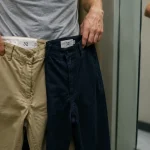
Loose top, loose bottom is the combination that tips an oversized hoodie into sloppy. The eye needs at least one anchoring element, and trousers with a clean line provide it. Tailored chinos in a neutral, straight-leg denim with a slight taper at the ankle, even a wool trouser with a sharp crease: these give the outfit a spine. The hoodie gets to be soft and unstructured because the bottom half is doing the structural work.


The length of the hoodie matters here. If it hits mid-thigh or lower, straight trousers prevent the whole thing from reading as a dress worn with pants. If the hoodie hits the hip or just below, there is more flexibility.
Layer It Under Something With Shoulders
A blazer or an overcoat worn over a hoodie borrows structure from the outer layer and lends the outfit an obvious intentionality. The hoodie peeks out at the collar andcuffs; the outer layer gives the shoulders definition that a hoodie, by its nature, obscures. This is one of the cleaner ways to wear an oversized hoodie to a casual office or an evening setting where a bare hoodie would feel undercooked.
Fit on the outer layer matters: it should not be so tight that it strains over the hoodie’s bulk, and it should not be oversized itself, or you are back to the volume problem. A blazer with a relaxed but not boxy cut is the sweet spot. Earth tones and neutrals blend most easily with the casual register of the hoodie; anything too formal in fabric or color creates a jarring split.
Use a Belt Over the Hoodie to Define the Waist
This one takes some confidence, but it works reliably. A wide belt, around two inches, worn directly over a long oversized hoodie cinches the waist and converts what reads as a shapeless top into something with proportion. The fabric pools slightly above the belt; the bottom hem falls below it. The effect is closer to a belted dress than a sweatshirt.
The hoodie needs to be long enough for this, at least to the upper thigh, and the belt should be leather or faux leather rather than anything too sporty: a canvas belt or a webbing belt kills the effect. Brown leather on a grey hoodie, black leather on a cream one, these combinations are simple and they hold together.
Pull the Sleeves Up to Show the Wrist
Sleeves that swallow the hands drag the whole outfit down. A quick push of the cuffs up to mid-forearm exposes the wrist and breaks the unbroken wall of fabric from shoulder to fingertip. It is a small adjustment and it makes an outfit look considered rather than accidental. If the hoodie has ribbed cuffs that spring back, folding them once or twice holds the push better than just shoving them up and hoping.
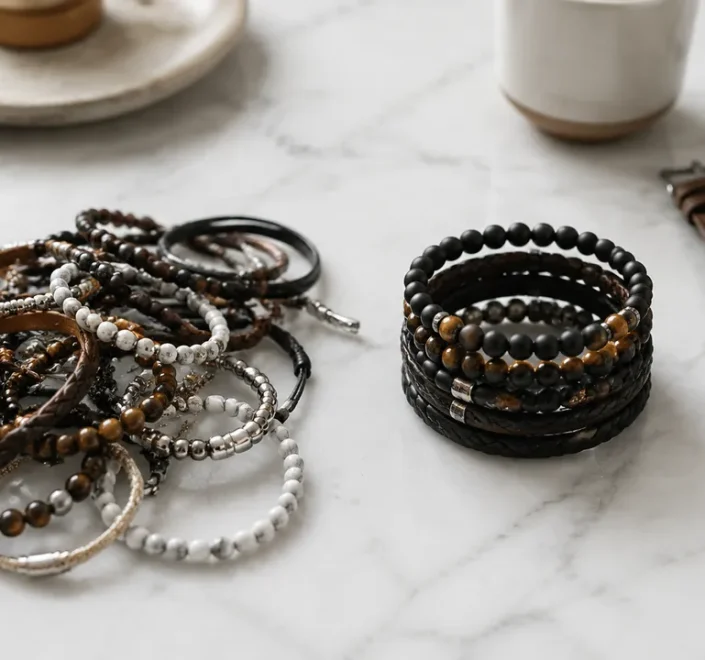
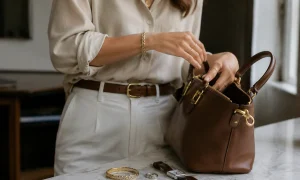
Showing the wrist also opens up space for jewelry: a thin watch, a couple of stacked bracelets. These small details send a signal that the rest of the outfit is intentional too.
Match the Tonal Register of the Outfit
A hoodie dropped into an outfit that is fighting its register will always look like an afterthought. A grey marled hoodie in a muted outfit reads as deliberate minimalism. The same hoodie with a bright floral skirt and heeled sandals just looks like a person who could not commit to one direction. Neither combination is inherently wrong; the problem is incoherence.
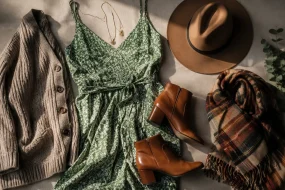
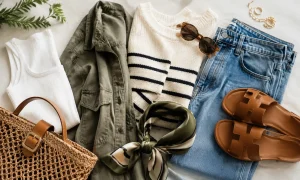
Working within a limited palette solves most tonal mismatches. Three colors at most, with the hoodie as the largest piece, tend to keep the whole look from fragmenting. The classic pairings are not classic by accident: charcoal with black and white, off-white with camel and brown, slate blue with cream and denim. They are reliable because the contrast is controlled.
Wear It as a Dress With Boots or Sneakers
A genuinely oversized hoodie, one that hits mid-thigh or longer, can function as a short dress. The look requires opaque coverage underneath if there is any chance of movement, and footwear does most of the styling work. Chunky-soled sneakers keep it sporty and grounded. Knee-high or over-the-knee boots shift it into something more intentional and dressed-up.
Where this fails is in the middle: white tennis shoes with a dress-length hoodie tend to look unresolved. Going all the way in one direction, full athleisure or full dressed boot, makes the choice legible to the eye.
Knot the Hem on One Side
A side knot, pulling the hem fabric on one hip and tying or tucking it against itself, does what a belt does without the hardware. It creates a waist on one side, breaks the rectangular silhouette, and adds asymmetry, which tends to read as more stylish than symmetry in casual dressing. The knot works best when the hoodie is long enough that there is still fabric left below the knot; if the knot sits right at the hem, the effect is awkward.
This works particularly well with bike shorts or leggings, where the clean bottom line lets the asymmetric top be the focal point. It is also one of the faster adjustments: thirty seconds, no tools, and the silhouette changes meaningfully.
Let the Footwear Carry the Outfit’s Ambition
The most consistent signal of intention in a casual outfit is the shoe. A carefully chosen shoe tells the eye that a person made decisions, even if everything above the ankle is soft and relaxed. This is why an oversized hoodie with a pair of pointed-toe flats or a low block-heel mule reads as effortlessly chic in a way that the same hoodie with worn-out running shoes does not, even if both pairs are technically casual.
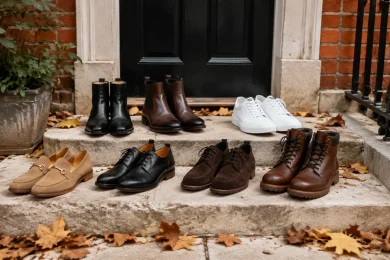
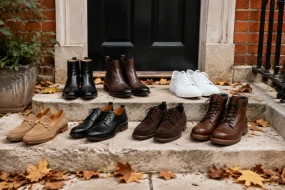
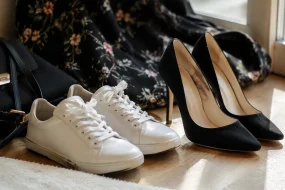
The rule is roughly this: the more volume the hoodie carries, the more deliberate the shoe should be. A clean white low-top sneaker is deliberate. A loafer is deliberate. A Chelsea boot is deliberate. Worn-down athleisure trainers, sandals grabbed out of a pile by the door, these finish an outfit with evidence of not caring. The hoodie can be the most relaxed garment in the closet, but the person wearing it has to look like they chose it.