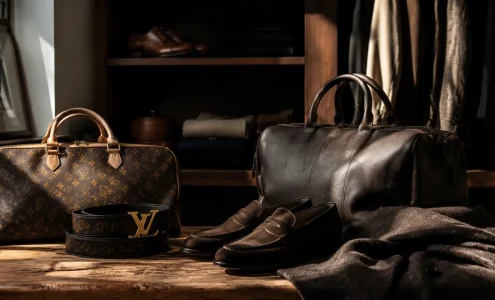
Vintage and new: the choice sounds straightforward until a person actually stands in front of both options and has to commit money to one of them. The vintage piece has history, visible wear, and a price that either reflects genuine rarity or a dealer’s wishful thinking. The new classic sits beside it, factory-fresh, with a warranty card tucked inside the box. Neither is obviously right. The decision depends on what the buyer actually needs versus what they think they want, and those two things are often different enough to matter.


What “Vintage” Actually Means in Practice

The word vintage gets applied to almost anything old enough to feel nostalgic but not old enough to be called antique. In practical terms, it usually means something made before a certain manufacturing shift: the era when a brand changed its materials, moved production overseas, or got acquired by a larger company thatcared less about tolerances. A cast-iron pan from the 1950s, a leather bag from a small Italian workshop before the factory scaled, a mechanical watch movement from a decade when a given caliber was considered mid-range rather than collectible. The quality of the original item matters, but so does what happened to it since.

That second part is the one most buyers underweight. A vintage item carries its entire life with it. Some of that life is character: patina, small repairs, a handle worn smooth in exactly the right place. Some of it is damage that has been disguised, stress that has accumulated invisibly, or components that are no longer replaceable. The buyer who focuses only on the object’s origin is doing half the inspection.

The Real Argument for New Classics

A new classic is something made now but built around a proven, stable design: a straight-lasted boot on a traditional last, a chef’s knife forged to a profile that has not changed in decades, a linen shirt cut the same way it has been cut since before fast fashion existed. The appeal is known performance. The stitching is tight because it left the factory that way. The leather has not dried out. Nothing needs to be re-tempered, re-soled, or gentlycoaxed back into shape before it can be used.

Warranties matter more than buyers tend to admit. A new item from a reputable maker comes with recourse. If the sole separates in the first year, there is someone to call. Vintage has no such option. The prior owner’s word is gone. The original manufacturer may not exist. That asymmetry carries real cost when something fails, and factoring it in makes new classics look more competitive on price than a straight comparison suggests.

There is also the question of fit to a specific purpose. New classics are designed for how people use things now, with current sizing standards, current safety expectations, and current material availability. A vintage tool might have been excellent for its original purpose in its original context and genuinely awkward in a modern kitchen or workshop.

Where Vintage Has a Concrete Advantage

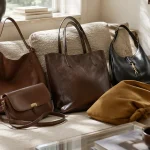
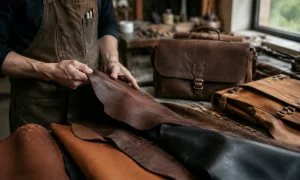
Certain categories tilt firmly toward vintage when the item has been maintained honestly. Materials are the clearest case. Older leather goods often used full-grain hides at a thickness that would price the equivalent new item out of reach for most buyers. Older wooden furniture was sometimes built from old-growth timber with tight grain that simply does not come from managed forests today. Older wool garments used fiber grades that have become expensive specialty items. In those cases, vintage is access to a physical quality that money alone cannot buy new at the same price point.

Mechanical objects with no electronic components can also favor vintage. A well-maintained mechanical movement has no firmware to become obsolete, no battery terminals to corrode, no proprietary charger to discontinue. Its failure modes are legible to anyone with the right tools. A watchmaker in any city in the world can work on it. That repairability is a genuine long-term advantage, and it compounds over decades in a way that a three-year warranty on a new quartz piece cannot match.

Singularity has value too, though it is harder to quantify. A vintage item that survives in good condition is, by definition, one of a shrinking number. For buyers who care about owning something that a few thousand other people did not order from the same website on the same Tuesday, that scarcity is real, not just sentimental.

The Inspection Problem

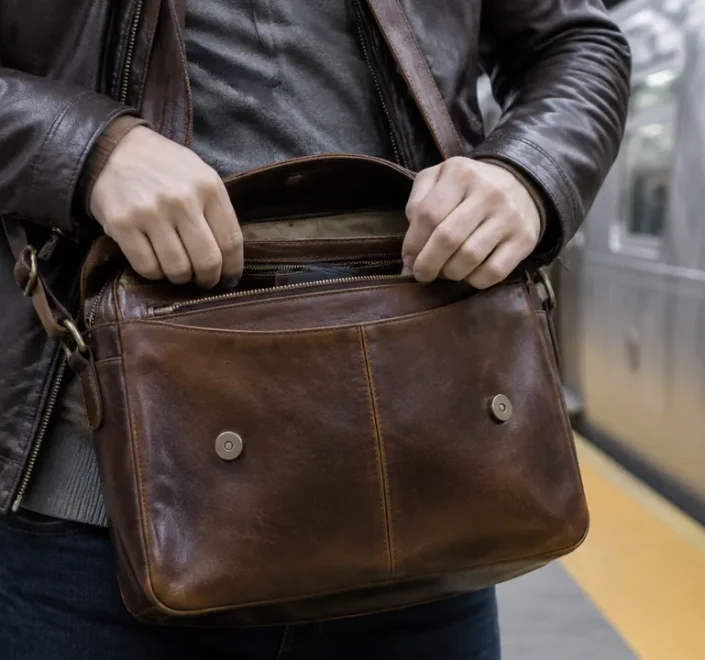
The practical obstacle with vintage is that evaluation requires knowledge most buyers do not have when they start. Spotting a replaced part on a vintage watch, identifying a re-dyed bag that will crack within a year, knowing whether a pan has been seasoned over rust or clean metal: these are skills that take time to develop. Without them, the buyer is relying entirely on the seller’s description, which is an uncomfortable position when the seller has a financial interest in the transaction.

This is where the vintage market creates a specific kind of buyer error. People research the category well enough to know what a good example looks like in photographs, then overpay for something that passes the photo test but fails a hands-on inspection. The gap between knowing what to look for and knowing how to look for it is where most vintage buying mistakes live.

New classics do not require that expertise. The buyer reads specs, checks reviews from people who have owned the item for several years, and orders with reasonable confidence. That simplicity has genuine value for someone who wants the thing itself rather than the process of sourcing it.

Price as Signal, Not Just Cost

Vintage pricing ranges from genuinely fair to absurd, and the range within a single category can be wide enough to confuse anyone without reference points. A cast-iron pan in excellent condition from a well-regarded American foundry might sell at a price that undercuts the equivalent new piece from a quality maker. The same pan, listed by a dealer who has identified it as a collectible variant, might sell for three times that. The object is identical. The framing is different.

New classics have transparent pricing. The manufacturer sets it, retail lists it, and the buyer can compare across retailers. There is less room for arbitrage, which means less room for both good deals and bad ones. A buyer who is willing to do the legwork in the vintage market can find things that represent real value. A buyer who wants certainty will find the new classic’s fixed price reassuring rather than limiting.

The hidden cost on the vintage side is time. Sourcing a specific item in honest condition, at a fair price, from a seller who describes it accurately, can take months. That time has a real cost, and most buyers who calculate their vintage savings never subtract it.

Categories Where the Choice Becomes Clear

Cookware, hand tools, and certain leather goods lean vintage for buyers who have the knowledge tovet them, because the manufacturing quality at the high end of the vintage market was not surpassed by what replaced it. The cost to manufacture the equivalent today would be high enough that most brands simply do not try. The vintage option, found in good condition, offers something the new market has mostly stopped making at accessible prices.

Electronics, safety-critical gear, and anything with sealed components lean new. A vintage climbing harness is not a romantic choice, it is a dangerous one. A vintage electrical appliance that has not been professionally inspected is a fire risk. Vintage athletic shoes have foam that has compressed past its useful life regardless of how they look on the outside. These are categories where age is straightforwardly a liability, and the new classic wins on grounds that have nothing to do with taste.

Clothing and accessories sit in the middle, and the tiebreaker is condition combined with a specific understanding of the original maker. A vintage coat from a house that genuinely made better things forty years ago, found in wearable condition, is a different proposition than a vintage coat from a brand that has always sold at volume and happened to be older. The age alone means nothing. The original standard matters, and then the condition of this specific example on this specific day.

The Decision a Buyer Actually Faces

Stripped of romance and anxiety, the choice comes down to two honest questions: does the buyer have the knowledge to assess a vintage example accurately, and does the category genuinely reward the effort? If both answers are yes, vintage often wins on material quality and price when the right piece is found. If either answer is no, a well-chosen new classic delivers reliable performance without the sourcing risk and without the expertise requirement.

The worst outcome in this decision is paying vintage prices for a piece that has been touched up, repaired without disclosure, or simply misrepresented, and then using it as if it had the integrity of a known-good item. That failure happens most often to buyers who made the decision based on a category preference rather than an honest assessment of their own ability to evaluate the specific object in front of them. Knowing which one a buyer is, plainly and without flattery, is most of the work.

Leave a Reply

Your email address will not be published. Required fields are marked *