August 4, 2026
Advertisement
About
Contact
Home
Fashion Trends
Street Style
Reviews
Accessories
Outfit Ideas
Home
Fashion Trends
Street Style
Reviews
Accessories
Outfit Ideas
Outfit Ideas
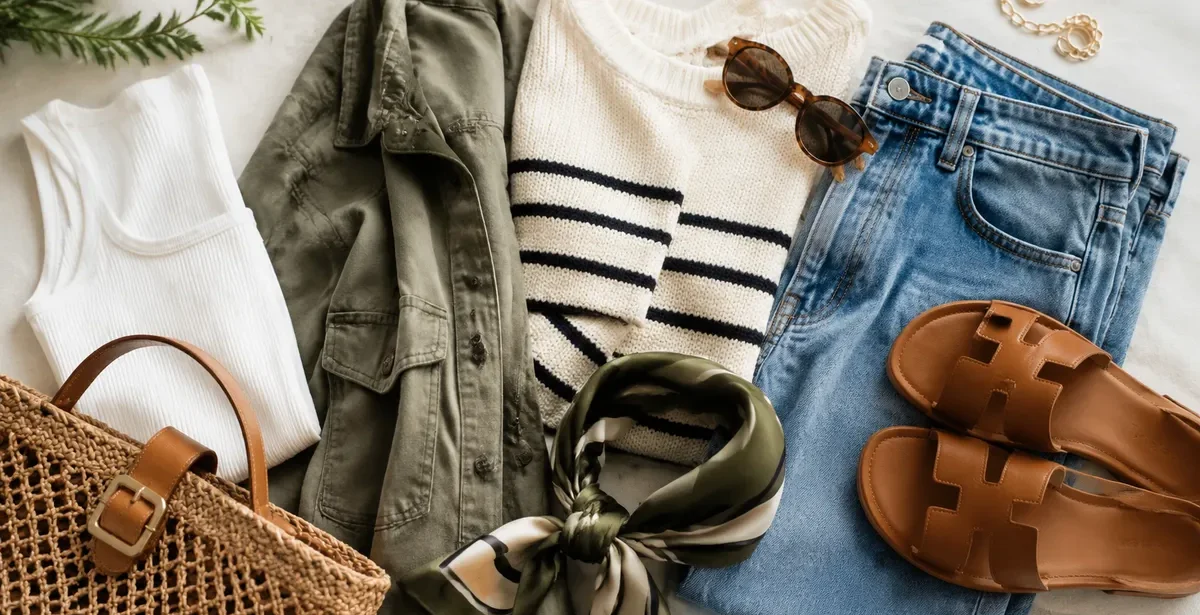
Which Summer Trends Are Worth Keeping into the Fall?
Outfit Ideas
Why Does Dressing for Transitional Weather Feel So Complicated?
Outfit Ideas
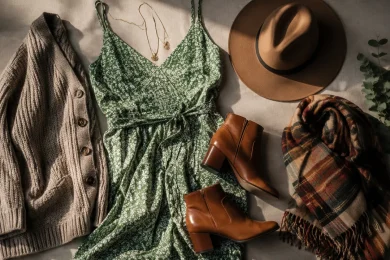
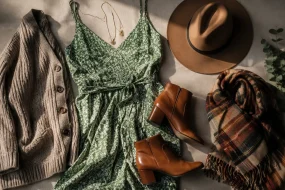
How to Transition Your Favorite Summer Dresses Into Autumn Outfits
Outfit Ideas
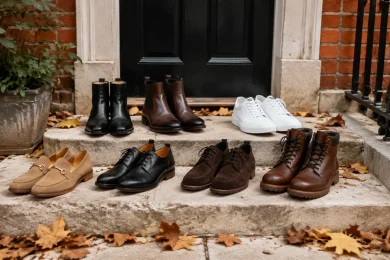
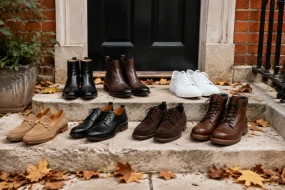
How Many Shoes Do You Really Need for Autumn Weather?
Outfit Ideas
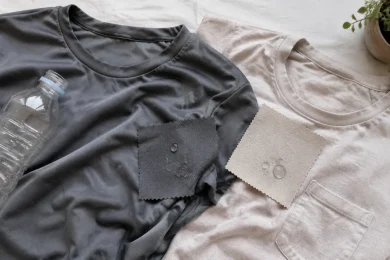
Common Summer Fabric Mistakes That Make You Sweat Even More
Fashion Trends
Zara vs Uniqlo: Which Wins for Everyday Wardrobes?
Fashion Trends
You’re Probably Overlooking Fit When Comparing Labels
Fashion Trends
Why Your Jeans May Be Dating the Rest of Your Outfit
Fashion Trends
Why Two “Similar” Brands Age Completely Differently
Fashion Trends
Why Logo Matching Is a Weak Way to Choose Brands
Accessories
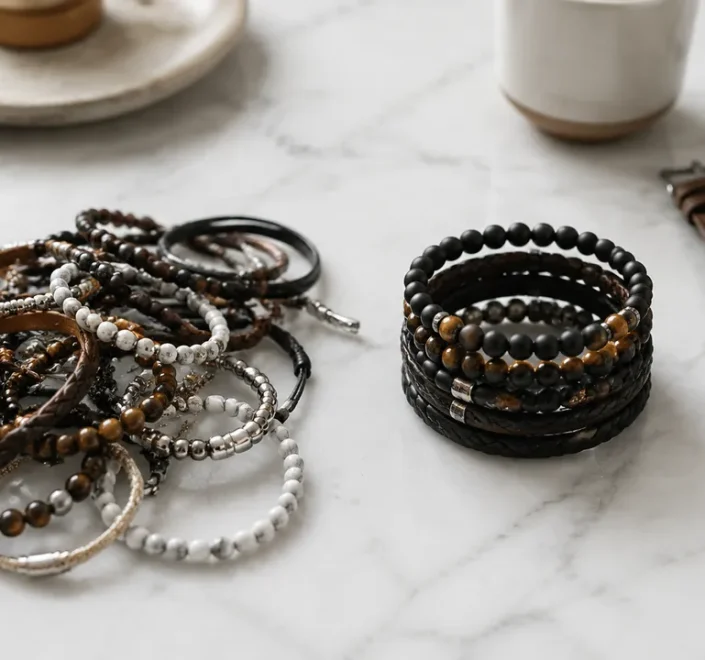
Why Your Wrist Accessories Look Cluttered and How to Fix It
Accessories
Why Your Silver Earrings Look Lost Against Dark Winter Coats
Accessories
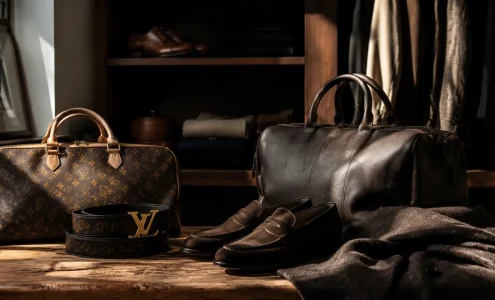
Why Stylists Prefer Lesser-Known Bag Brands Over Popular Luxury It-Bags
Accessories
Why Are So Many Men Swapping Their Watches for Minimalist Bangles?
Accessories
Which Jewelry Pieces Actually Work Best for Office Wear?
Reviews
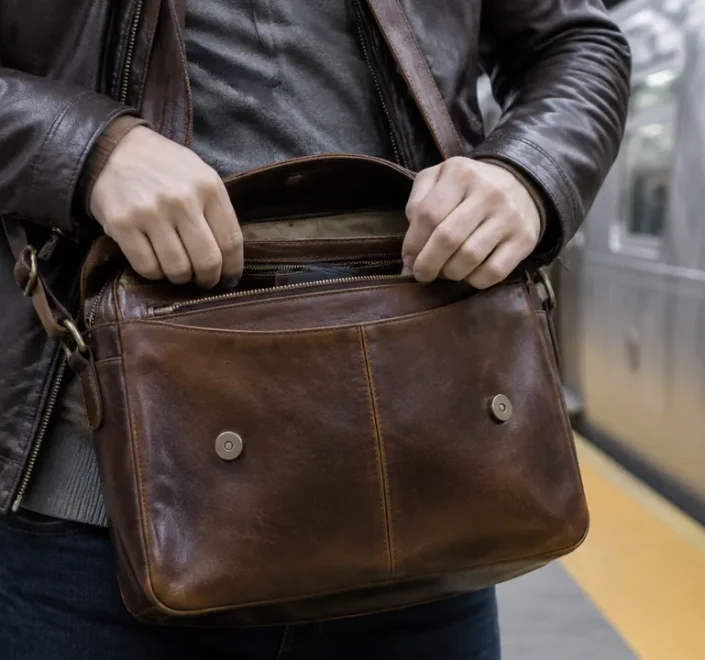
Zipper Closure vs Magnetic Snap: Choosing the Best Daily Leather Bag
Reviews
Why Vintage Dress Fabrics Often Last Longer Than Modern Synthetic Ones
Reviews
Why I Finally Swapped My Nylon Backpack for Leather
Reviews
Why Are So Many Winter Coats Made with Cheap Synthetic Fillers?
Reviews
Which Coat Insulation Type Is Best for Wet and Cold Climates?
Most Popular
Fashion Trends
I Cleared Half My Closet and Finally Liked Getting Dressed
admin
June 11, 2026
7 min read
Fashion Trends
Designer Logos vs Understated Craft: What Ages Better?
Fashion Trends
The Labels Defining Smart Spending in Fashion Right Now
Outfit Ideas
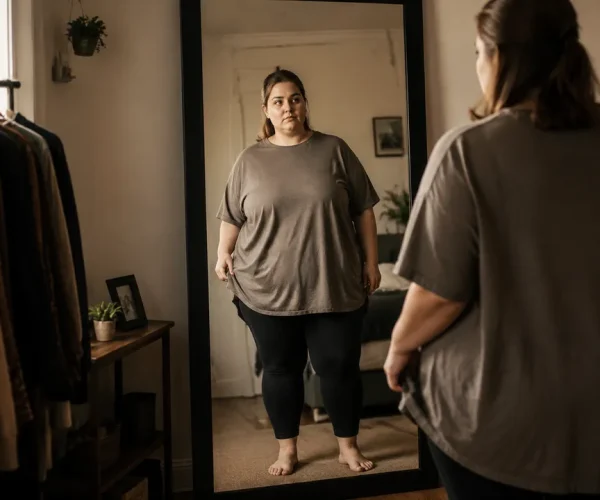
Why Hiding Behind Baggy Clothes Actually Makes You Look Bigger
admin
December 9, 2025
8 min read
Outfit Ideas
How Many Shoes Do You Really Need for Autumn Weather?
Outfit Ideas
The Myth That Date Night Outfits Always Require High Heels
Outfit Ideas
The Ultimate Step-by-Step Guide to Finding Your True Silhouette
Outfit Ideas
How to Transition Your Favorite Summer Dresses Into Autumn Outfits
Trending Topics
See All Topics
Street Style
Reviews
Outfit Ideas
Fashion Trends
Accessories
Accessories
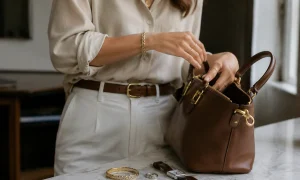
Should Your Jewelry Match Your Bag Hardware or Belt Buckle?
admin
March 21, 2025
7 min read
Accessories
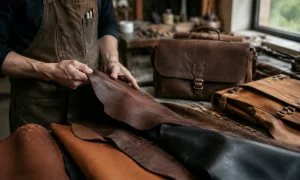
I Inspected Mid-Range Bag Leathers as a Craftsman: My Honest Thoughts
admin
July 30, 2025
9 min read
Outfit Ideas
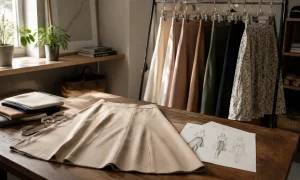
What Makes A-Line Skirts Look Flattering on Almost Everyone?
admin
April 13, 2025
7 min read
Outfit Ideas
Which Summer Trends Are Worth Keeping into the Fall?
admin
June 16, 2025
8 min read
Accessories
Which Jewelry Pieces Actually Work Best for Office Wear?
admin
March 16, 2026
8 min read
Search
Recent on Blogar
Step-by-Step Guide to Removing Ink Stains from
June 23, 2026
8 min read
The Biggest Mistake People Make When Dressing
June 21, 2026
8 min read
Why Are Wrinkle-Resistant Fabrics Taking Over Travel
June 18, 2026
7 min read
Stay In Touch
Gallery
Twitter
Facebook
Youtube
Dribbble
Behance
Linkedin