Three items. That is all it took. Not a wardrobe overhaul, not a shopping spree, not even a particularly long afternoon. The change that followed was the kind that made people ask what had happened, and the honest answer was difficult to explain because nothing visible had been swapped out. The clothes were largely the same. The person wearing them just looked, somehow, more finished.


The three basics were a white T-shirt, a pair of dark denim jeans, and a leather belt. The specific items are less important than the principle behind updating them, but the specifics matter for the story, so here they are.

The White T-Shirt Problem

White T-shirts age badly and quietly. The fabric thins before it visibly tears. The white shifts toward yellow in a way that is almost imperceptible day by day but looks unmistakable in a photograph or under office lighting. The fit, which might have worked fine two years ago, no longer lands the way it should because bodies shift, because laundering changes the structure of cotton, or because the cut that was purchased was just slightly wrong from the beginning and got worse over time.

A properly fitting white T-shirt in genuinely good cotton is one of the hardest things to find, and one of the most useful things to own. The fabric should have some weight. Not a thick winter jersey, but enough substance that it does not cling or go translucent. The fit should be close through the chest and shoulder without being tight. The hem should hit at or just below the waistband. The neckline should hold its shape after a wash.

Getting this right cost more than the average T-shirt budget allows. It also cost more than was comfortable to admit was being spent on a plain white shirt. But the difference between wearing one versus the other is not subtle. A well-made white T-shirt reads as intentional. A thin, faded, slightly-too-big one reads as whatever was clean.

The update happened because the old shirt finally gave out and, instead of replacing it with something equivalent, there was a deliberate decision to spend more and look harder. The result was a single shirt from a mid-range brand that sold nothing except its cut and its cotton. It was not a luxury item. It was just considered.

What Dark Denim Actually Does

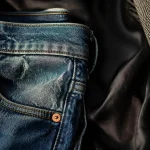
Most people have lived in their jeans for so long that they stop registering what those jeans are actually doing to an outfit. Denim fades gradually, and the fade becomes normal, and then the jeans are just the jeans, until one day a photograph or a mirror at an unfamiliar angle makes the whole thing visible at once.

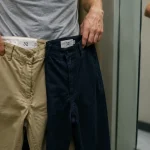
Faded denim is casual. Dark denim is versatile. That is the practical difference. A pair of dark wash jeans can move from a weekend errand to a dinner that requires a little more effort with almost no adjustment. The darkness signals care without requiring a different garment category. Faded jeans, which are perfectly fine for a lot of situations, do not make that translation as cleanly.

The other half of the equation is fit, which has shifted. For a decade or so, very slim was the default. The silhouette has relaxed since then, and straight cuts with a slightly higher rise have become the cleaner option for most people who are not trying to make a specific style statement. The updated pair was a straight leg, mid-rise, dark indigo, unwhiskered. It looks like a pair of jeans that someone bought on purpose.

The old pair was not dramatically wrong. It just had the particular problem of being slightly off: the rise a little low, the leg a little narrow at the knee, the wash a grayish medium-blue that placed it firmly in a specific era. Updating that single item changed the visual weight of the whole outfit without changing anything else.

The Belt Nobody Notices (Until It Is Wrong)

A belt is infrastructure. When it is right, no one thinks about it. When it is wrong, it pulls focus in a way that is hard to name but impossible to ignore: the buckle is too large or too brassy, the leather is cracking at the holes, the width is slightly off for the loops it is running through, the color is not quite matching anything else in the outfit.

The belt that got replaced had served for years. It was brown, it had a silver buckle, it had been worn until the leather around the most-used hole had cracked into a small spiderweb of damage. It was functional. It was also, on reflection, kind of a mess.

The replacement was a 35 mm black leather belt with a simple matte gunmetal buckle. Not particularly expensive, not designer, just correct. It sits flush. The leather is smooth and dark and consistent. The buckle is proportioned to the belt width, which is proportioned to the loops on the jeans. When it is on, the eye does not stop there.

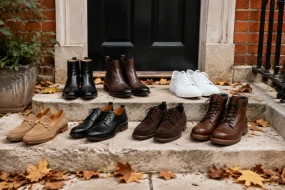
Switching from the worn brown to the clean black also forced a small reconsideration of footwear. Brown shoes and a black belt create a low-level discord that most people carry around without registering it consciously. Committing to black created a simple coherence, shoe to belt, that required no additional effort and no additional purchases. It just resolved a conflict that had been running in the background for years.

Why Basics Decay Without Anyone Noticing

Statement pieces are easy to track. A jacket purchased in a specific season, a pair of shoes with a distinctive sole, a bag with a recognizable shape: these are items that live in memory with a purchase date and a reason attached. Basics go invisible. They get washed and worn and washed again, and their decline happens below the threshold of attention because there is no single moment when they stop working.

This is the trap. The basics are doing more work than any individual statement piece, because they are always there, always part of the frame, always setting the base quality of the outfit. And they are the items least likely to be critically assessed or replaced.

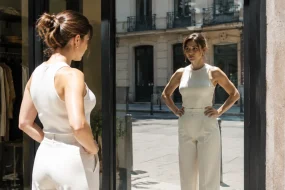
A useful exercise: stand in front of a mirror in the things worn most often, the genuinely everyday combination, and look at each piece in isolation. Not the outfit as a whole, which the brain tends to normalize, but each piece on its own terms. How old is this T-shirt, really. What state is the fabric in. When did these jeans stop looking fresh. What has that belt been through.

The answers are usually uncomfortable. They were uncomfortable here.

The Order in Which to Do This

If all three need replacing and budget is a constraint, the T-shirt comes first. It has the highest frequency of use and the greatest impact per wearing. A good white T-shirt worn with imperfect jeans and an okay belt still reads better than a failing shirt worn with everything else upgraded. The shirt is what the eye lands on when it lands on the upper body, and the upper body is where most people look first.

The jeans come second because they define the silhouette. Everything from the waist down, and everything about how the shirt and belt interact, is influenced by the cut and wash of the denim. Getting the fit right here resolves a surprising number of other problems automatically.

The belt is last because it is the least expensive update and because its effect is most visible once the other two are right. A clean belt against a good shirt and fitted dark denim creates the kind of visual quiet that registers as polish. The same belt against mediocre versions of the other two items would go unnoticed.

What the Whole Look Actually Said After

Nothing changed about personal style. There was no new aesthetic adopted, no direction shifted. The result of updating three basics was that the existing style, which had always been there, just became legible. The pieces that had been bought on purpose over several years, the jacket, the shoes, the bag, all of them suddenly looked like they belonged together, because the frame underneath them was finally doing its job.

That is what basics actually do. They are the surface that everything else is installed against. When the surface is degraded, everything installed on it looks slightly worse than it actually is. When the surface is clean and right, even ordinary pieces look considered.

The compliments that came in the weeks after were not specific. Nobody said the jeans looked great or asked about the belt. They said things like, you look good lately, or, did you do something different? The update was invisible in the best possible way: nobody could see the three items that changed, only the fact that something had.

Leave a Reply

Your email address will not be published. Required fields are marked *