Closets age in a particular way. The clothes don’t rot. They just drift, slowly, away from the person who bought them, until opening the door in the morning feels like walking into someone else’s apartment.

What separates people with genuinely good style from everyone else is not that they have more money or more space or more time. It’s that they know exactly which changes produce the biggest returns, and they make those changes first. The rest stays on hold until there’s a reason to act.

The Fit Problem Comes Before Everything Else

If a single principle governs how experienced dressers cull a wardrobe, it’s this: fit is the most expensive-looking variable in any outfit, and it’s also the one most people ignore because altering clothes costs money and changing bodies is uncomfortable to acknowledge.

An aging closet tends to carry things in two wrong sizes: items from a smaller past and items bought loose as a hedge against time. Both read as old immediately. A jacket with too much fabric pooling at the shoulders doesn’t look vintage. It looks like it belongs to someone else.

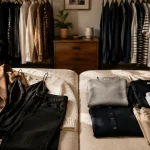
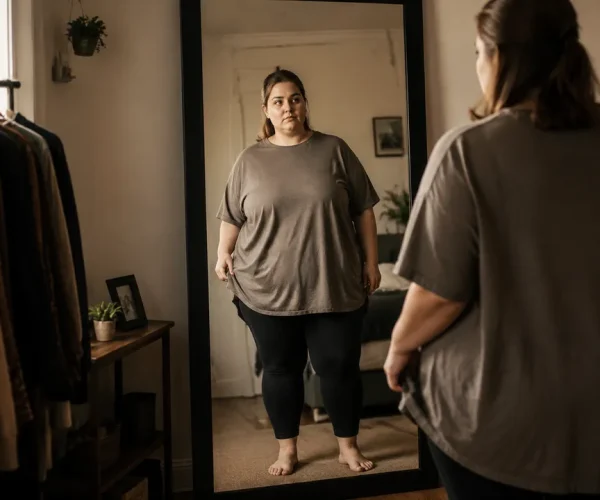
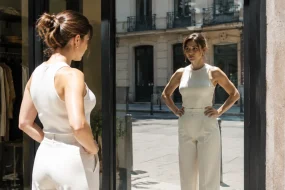
The first real move stylish people make is to pull out everything and try it on, not in a rush but deliberately, in daylight, with shoes. They’re not asking whether they like the piece. They’re asking whether it sits properly on their actual body right now. The ones that don’t get separated into two piles: worth tailoring, and not worth the cost of tailoring given what the piece is.

A good tailor can take in the side seams of a blazer, shorten a hem, narrow a trouser leg. These are not extravagant alterations. They typically cost less than a new shirt of the same quality. What they do to an old piece is remarkable: a suit jacket that looked exhausted can look current again just because it closes properly across the chest.

Color Before Quantity

Most people approach a stale wardrobe by adding: a new top, another pair of shoes, something seen in a window. The result is usually more of the same confusion. What actually works is a different kind of audit, focused entirely on color.

An aging closet usually has a color problem, though it rarely looks like one. It looks like too many options. Fifteen tops in fifteen different shades, none of which reliably combine with anything else. Getting dressed every morning requires either real decision-making or a retreat to the same two things worn on rotation.

What stylish people do is identify a rough palette, three to five colors that actually suit them and actually sit well together, and then remove the outliers. Not donate them out of some minimalist principle. Remove them because they’re the source of the friction. The brown leather belt that doesn’t go with anything, the yellow blazer that requires a whole separate wardrobe to work, the dusty mauve blouse that looked different in the store light: these are the pieces eating the usable square footage of the closet without contributing anything.

Once the outliers go, something odd happens. The remaining pieces seem to multiply. Combinations that weren’t visible before become obvious. The closet starts to feel like a wardrobe.

Shoes and Bags Get Replaced Before Clothes

This is the move most people resist because it feels backward. The clothes are what you see in the mirror. The thinking goes: update the clothes, the accessories will follow.

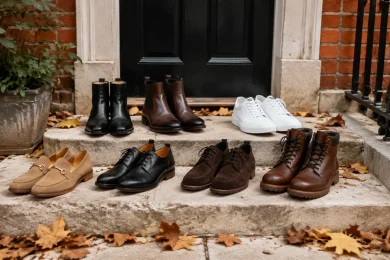
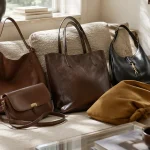
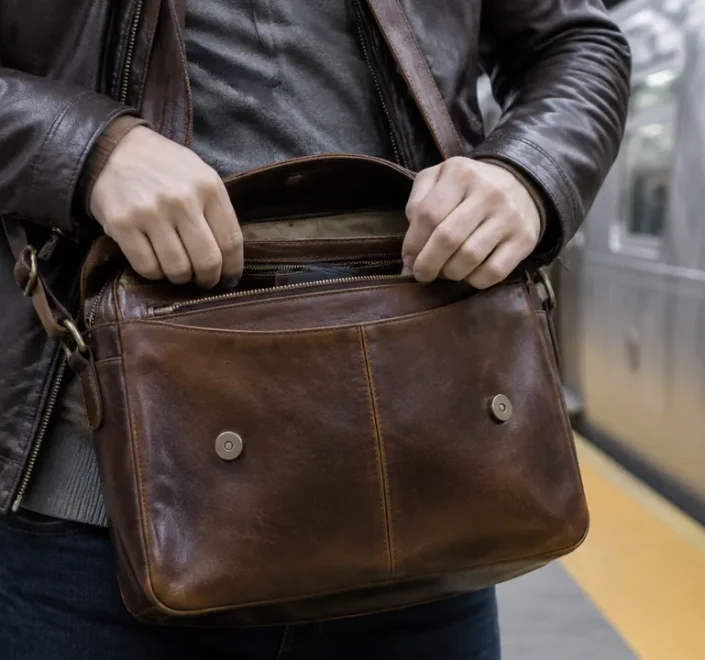
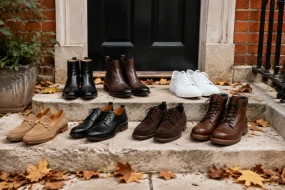
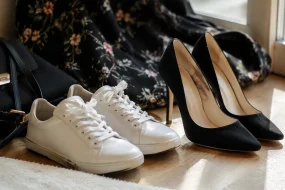
But shoes and bags age harder and faster than fabric. A scuffed heel or a bag with a broken clasp and worn corners pulls the whole outfit down in a way that a slightly outdated shirt never does. People notice the state of shoes. They may not be able to name what feels off, but they register it.

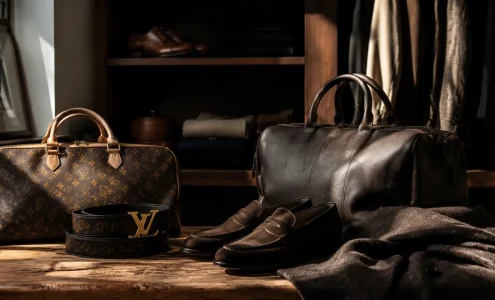
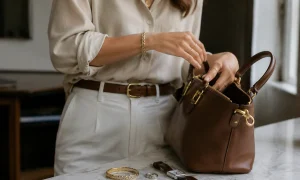
The stylish people’s version of this calculation is clear: one excellent pair of shoes and one structured, well-made bag in a neutral color will do more work per dollar than any single clothing item at the same price point. Both get touched, carried, and seen every single day. The coat hanging in the closet only comes out in cold weather.

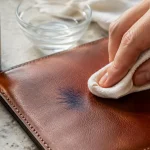
So the leather gets conditioned. The sole gets replaced by a cobbler while the upper still has life in it. The bag that’s structurally sound but visually worn gets cleaned properly, or it gets replaced with something that will last a decade. The clothes can wait. The shoes go first.

Fabric Quality Is the Shortcut the Eye Actually Takes

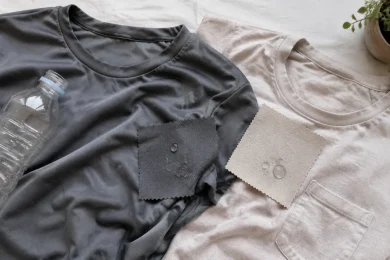
Synthetic fabrics pill, lose their shape, and start to catch the light wrong within a couple of years. Natural fibers, even inexpensive ones, tend to age more gracefully: they breathe differently, drape differently, and respond to care in a way that blended fabrics don’t.

When stylish people go through a closet that’s gone stale, one of the first things they shed is the category of fast-fashion synthetics that made sense at the time because they were cheap and looked fine in the store. A polyester blouse can look fine for the first fifteen wears. After that it starts to look the way it actually is, and no amount of ironing fully corrects the drape.

The replacement logic isn’t “buy expensive things.” It’s simpler than that. A cotton T-shirt, a linen shirt, a wool sweater: these are not luxury items, but they read as real. When something is made of a material that has genuine texture and weight, even a simple outfit holds its shape through a long day.

The specific swap that shows up most often in a thoughtful closet revision is the synthetic sweater replaced by a merino or lambswool version. Not cashmere, necessarily. Just something with actual fiber content that keeps its form after washing and drapes over the shoulders the way a knit is supposed to.

The Layering Piece That’s Been Missing

Closets stall when every piece in them is meant to be the main event. A rack of bold printed tops, interesting trousers, statement dresses, elaborate blouses: none of them combine because each one needs quiet around it to work.

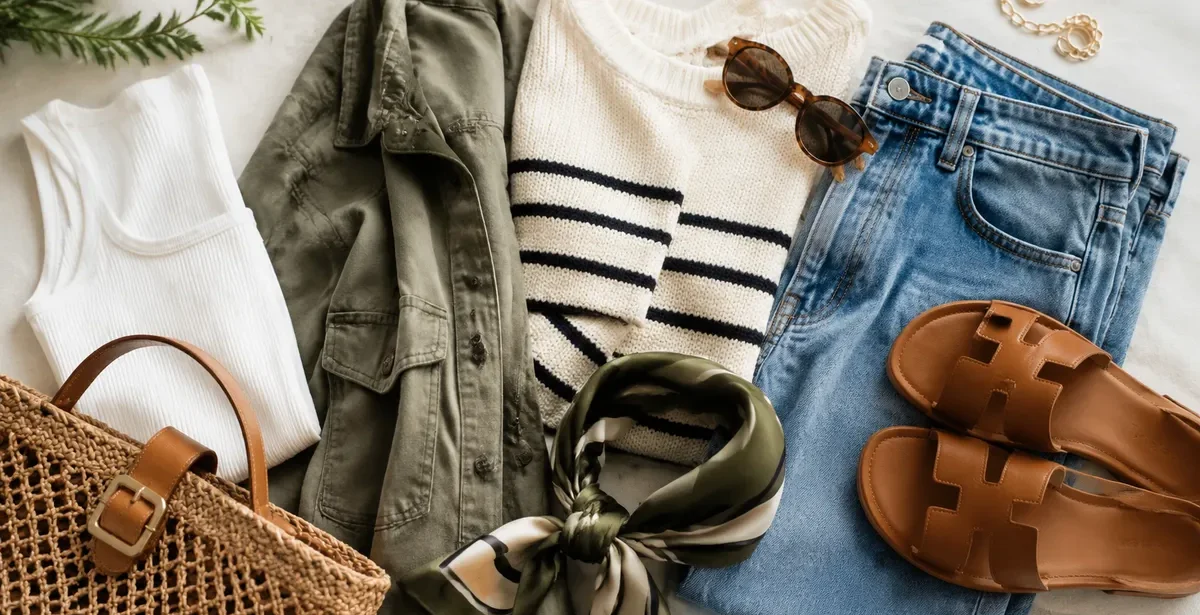
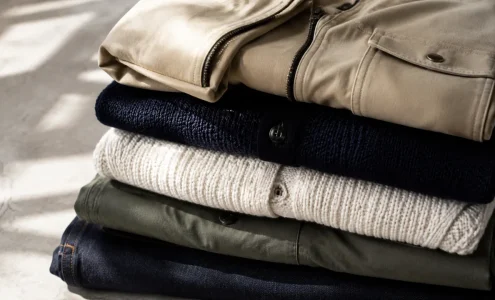
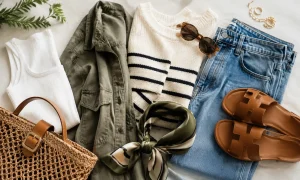
The change that gets made early in any real wardrobe renovation is the addition, or restoration, of layering pieces in neutral weights. A navy blazer that fits properly. A cream-colored linen shirt that buttons all the way up or stays open. A fine-knit cardigan in a color that matches several other things already in the closet. A long trench in a classic cut.

These are not exciting pieces. That’s the point. They’re the pieces that make the bold things wearable, that turn a statement item into an outfit instead of a costume. Once they’re in place, the rest of the wardrobe starts to make sense.

The specific gap in most aging closets is usually a blazer or an unlined coat that works across seasons. Something that can go over a T-shirt on a warm evening or over a sweater when the temperature drops. Without it, every outfit has a ceiling.

How Denim Gets Reconsidered

Denim is the most democratic fabric in most closets, and also the one most likely to be doing quiet damage to an otherwise considered wardrobe. Not because denim is wrong, but because the specific cut and color of a pair of jeans dates more precisely than almost any other garment, and most people are wearing the cut they bought several years ago without having noticed how the landscape shifted.

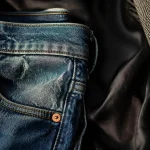
Wide-leg cuts in medium to dark indigo have been doing the heavy lifting for stylish dressers for a while now, replacing the heavily distressed, extremely skinny, or very light-wash pairs that were everywhere a decade ago. That’s not a trend observation, it’s a structural one: a straighter, fuller cut photographs as cleaner and reads as more intentional in almost any context.

The change stylish people actually make here is small in volume but large in effect. They retire one pair, the one with the worn knees or the dated silhouette or the strange fade across the thighs, and replace it with one pair that fits well at the waist and has a hem that hits correctly with their most-worn shoes. Not a collection. One pair.

What Gets Kept That Surprises People

The hardest lesson in any serious wardrobe edit is that the most expensive piece is not automatically the one worth keeping. A dry-clean-only silk dress bought at full price for a specific occasion that never recurred is not a wardrobe asset. It’s a museum piece taking up space and generating mild guilt every time the door opens.

Stylish people tend to keep things based on a different set of criteria: How often does it get reached for? Does it still fit correctly? Does the fabric still hold up? Does it work with at least three other things currently in the closet? The price tag is almost never part of the calculation.

What surprises people going through this process is that the pieces surviving the edit tend to be the quiet ones. The perfectly fitting dark trouser that goes with everything. The white Oxford that’s been washed a hundred times and still looks clean and considered. The simple leather loafer. The slightly oversized navy crewneck. None of them are remarkable on their own. Together, they form the core that makes the rest of the wardrobe coherent.

The expensive dress stays in the donation bag. The ten-dollar T-shirt from five years ago in exactly the right weight and cut stays on the shelf, because every time it goes on, the rest of the outfit clicks into place.

Leave a Reply

Your email address will not be published. Required fields are marked *