Ninety days is long enough to forget what you were chasing in the first place.

That was the unexpected discovery. The original plan had been more modest: stop buying clothes that showed up in algorithm feeds, stop refreshing the interior design accounts, stop letting the weekly “what’s trending in home cooking” roundups dictate what went into the grocery cart. A small experiment in willful ignorance. Three months, then reassess. The reassessment turned out to be the whole point.

What “Following Trends” Actually Meant, Day to Day
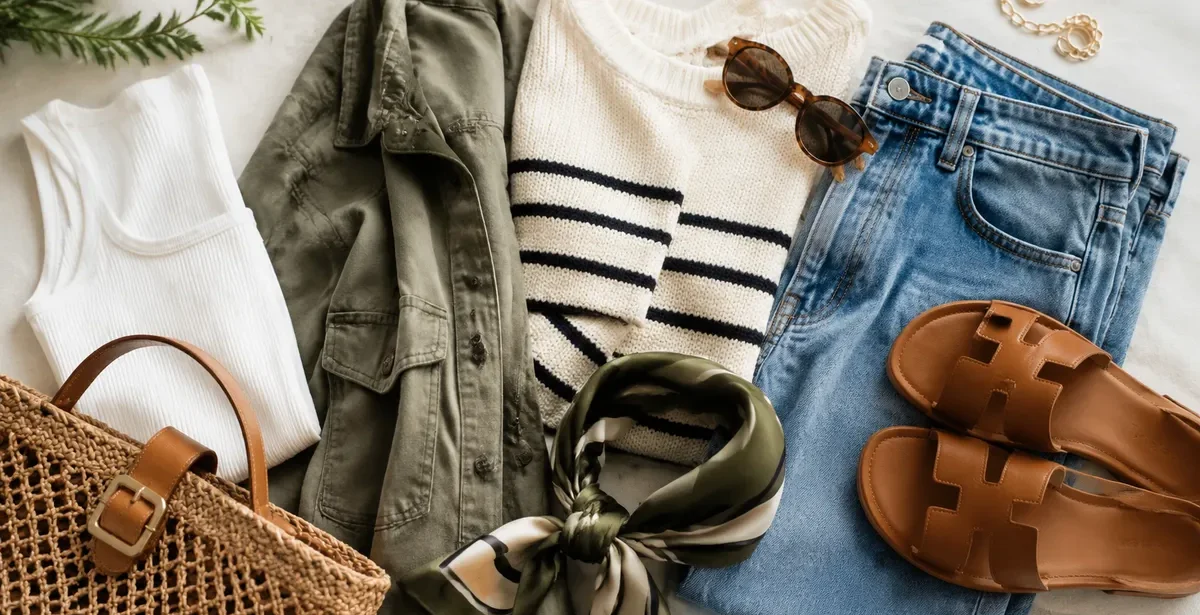
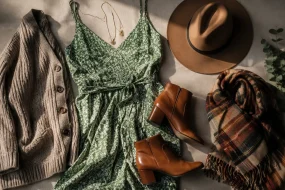
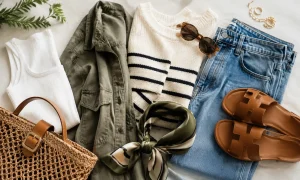
It helps to be honest about how deep this ran before it stopped. Not deep in any embarrassing way, just deep in the ordinary, modern sense: checking feeds before coffee, bookmarking items not because of a specific need but because the image was compelling and the caption said this was the thing people were into right now. A tote bag in a colorway that felt urgent for about two weeks. A specific style of shoe that had its moment and then sat in a corner exuding defeat. A cooking technique picked up from a trend piece that required three specialty ingredients and was made exactly once.
None of it was catastrophic. That is precisely the problem with trend-chasing at this scale: it is not dramatic enough to force a reckoning. It just costs a little money, takes a little time, generates a low background hum of mild dissatisfaction.
The First Three Weeks Feel Like Static
The first thing that happened was not clarity. It was noise.
Without the steady intake of trend content to organize desire around, the question “do I actually want this?” becomes genuinely hard to answer. It turns out a lot of what passes for personal taste is just exposure. Remove the exposure and there is a hollow week or two where preference feels weirdly underpowered. Standing in a store becomes strange. Scrolling for entertainment without landing on wish lists produces a mild restlessness. The habits were more structural than expected.
This phase is worth sitting with rather than filling immediately. The discomfort is diagnostic. Whatever fills it back up naturally, without prompting from an algorithm, is more revealing than anything a trend report has ever suggested.
What Rose to the Surface by Week Six
Specific, stubborn preferences that had been there all along but were getting crowded out.
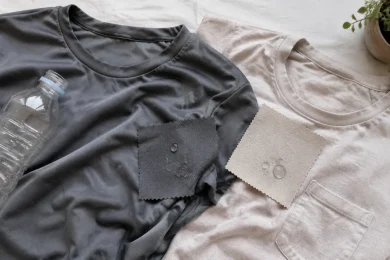
A preference for clothes with actual pockets that don’t require checking whether pockets are “having a moment.” A preference for cooking things that take a while and produce leftovers, which has nothing to do with what’s trending in fermentation. A preference for reading physical books in the evening instead of watching video essays about reading more physical books. These are not revelations anyone would put in a magazine. That’s the thing about genuine preferences: they’re usually kind of boring to describe and very satisfying to actually live.
The broader realization was about scale. Trend consumption operates at a pace that human taste cannot actually metabolize. A genuine preference takes time to form, to test against real experience, to confirm. Trends move on a cycle calibrated to platform engagement metrics, which have no relationship to how long it takes a person to figure out what they actually like.
The Spending Shift
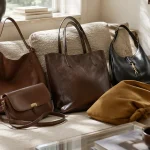
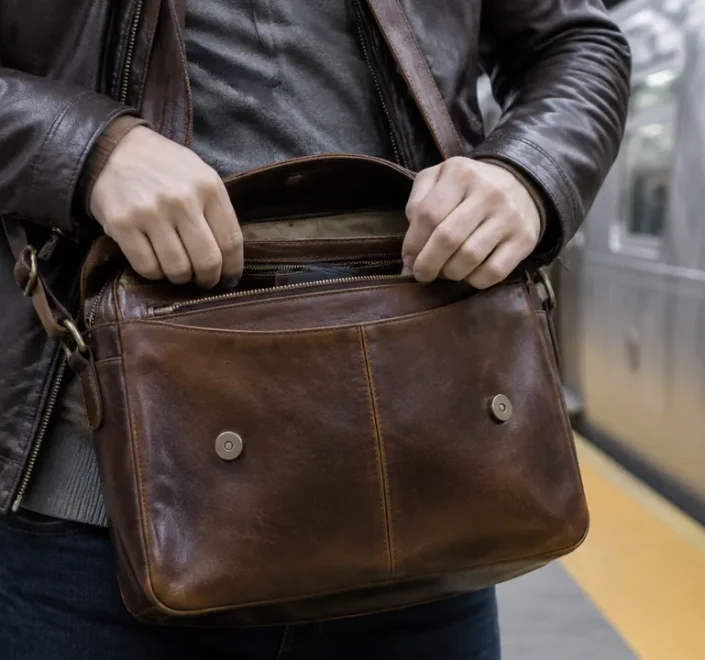
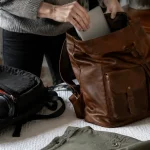
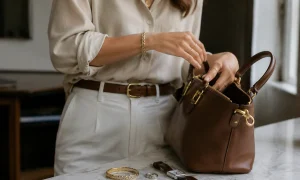
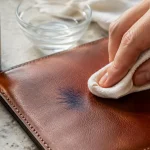
Month two brought a concrete change: the decision to buy a specific leather bag that had been on a mental list for three years.
Three years is relevant. The desire had persisted across multiple trend cycles without being trend-driven. It had survived every season in which a different bag was the one everyone was carrying. In the normal flow of trend consumption, that kind of patient, dull wanting tends to get displaced by something more immediately compelling. Without the constant injection of new compelling things, there was space to act on the old one.
The bag cost more than an impulsive trend purchase would have. It will last longer. It is already more satisfying. This is not a novel insight, and the financial logic is not the real point. The real point is that the patience required to make a considered purchase was only available because the noise had been turned down.
What Trends Are Actually Selling
Trend content is not really about the thing. It never was. The bag, the shoe, the cookbook, the specific shade of paint that everyone had in their living rooms for eighteen months: these are the delivery mechanism for a feeling of being current, connected, in the right conversation at the right time. That feeling is real and genuinely appealing. There is nothing contemptible about wanting it.
But it has a half-life, by design. The feeling of currency depends on novelty, which means it cannot be sustained by any single thing. It requires a continuous replacement of objects. The stuff is almost incidental. This is why trend-adjacent purchases so often feel hollow after the initial hit: the object was never the point, so the object cannot deliver what was actually wanted from it.
Knowing this abstractly is not the same as knowing it in the body. The 90 days made it experiential rather than theoretical.
The Social Texture of Opting Out
Something that did not get anticipated: missing references.
Trend culture is partly a shared language, and stepping back from it creates small moments of being out of step. A reference to a viral recipe lands and there’s nothing to say. A conversation about a specific aesthetic movement in interior design moves past quickly. This sounds trivial and mostly is, but it is worth naming honestly. Opting out of trend consumption carries a small social cost that depends entirely on the crowd: negligible in some circles, more noticeable in others.
The tradeoff is different conversations. When the shared reference point isn’t there, something else has to carry the conversation, and that something else tends to be more specific, more personal, and more interesting. Not always. But often enough.
Month Three: The Recalibration Gets Quiet
By the third month, the experiment had mostly stopped feeling like an experiment.
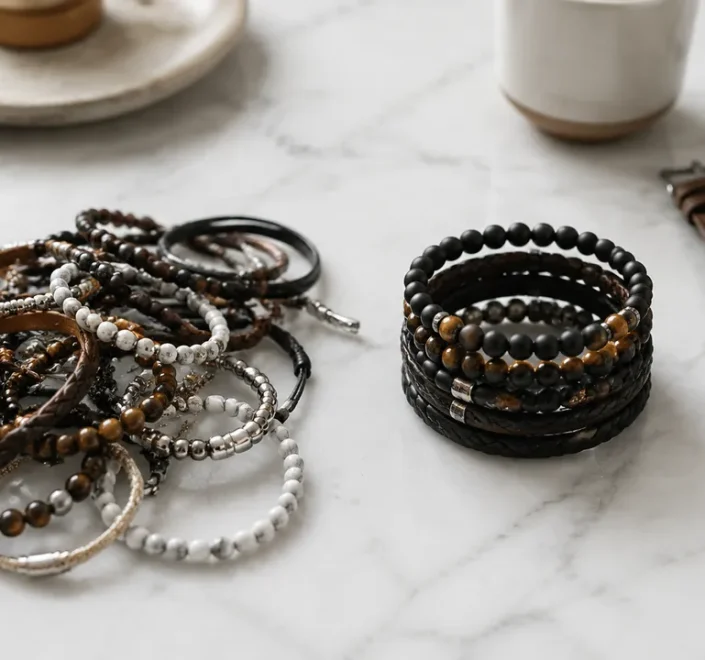
The restlessness of the early weeks had settled. The wardrobe, the apartment, the cooking: all of it had gotten quieter. Fewer things came into the house. Fewer things felt like open questions. The mental overhead that trend following generates, the constant low-grade assessment of whether the current moment of a thing had passed, whether something was about to peak, whether the purchase was early or late or embarrassingly behind, that overhead dropped substantially.
What replaced it was not smugness about having opted out. That would be its own kind of performance. What replaced it was mostly just more attention available for other things, which sounds boring because it is, and which turned out to be the whole point.
Day 91
On day 91, the original feeds were still there, paused and accessible. The question was what to bring back, if anything.
The answer was a short, deliberate list: a few makers whose work had been genuinely interesting for years, a couple of accounts focused on craft rather than novelty, nothing that posts daily, nothing that frames its content around what’s happening right now. The selection criteria had changed from “what is currently interesting” to “what has stayed interesting.” Those are different filters, and they return very different results.
The leather bag is on the hook by the door. It already looks like it has been there for years, which is exactly what was wanted. No trend made that possible. Just the three years of knowing, and then one quiet Tuesday when there was finally room to act on it.