Personal style has a half-life problem. Buy into a trend hard enough and there is a window, maybe two years, maybe three, where everything clicks. Then the window closes, and the wardrobe starts to feel like evidence of a previous self rather than a working tool.

The alternative is a style with actual staying power: clothes that read as intentional a decade after they were bought, that do not depend on any particular season to look right. Building that kind of wardrobe is not about spending more or dressing more conservatively. It is about making a different set of decisions from the beginning.

Start With a Silhouette, Not a Statement

The single biggest thing that dates a look is its silhouette. Wide lapels, extremely cropped jackets, enormous balloon sleeves: these things read as a specific moment because the shape itself is the trend. When the moment passes, the garment becomes a costume.

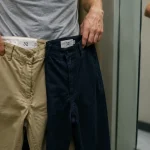
A silhouette built around the body’s actual proportions rather than the season’s exaggeration ages almost invisibly. A trouser with a moderate, slightly tapered leg looked right in 1985, looks right now, and will look right in 2035. Designers who consistently sell that cut do not make news, but their customers wear the clothes for a very long time.

The test is simple: hold the garment at arm’s length and ask whether the shape itself is doing something dramatic. If the answer is yes, that drama has an expiration date.

Buy Fabric, Not a Label

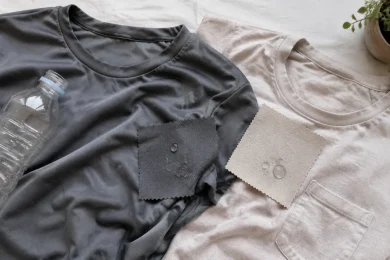
Cloth tells the truth about a piece. A well-woven wool trouser or a heavy cotton Oxford shirt gets better with age: the fibers compress and soften, the surface develops a character that cannot be replicated by buying it new. A synthetic blend under tension starts showing seam stress within a year and looks cheap within three.

The practical implication is that it pays to know what a bolt of decent fabric actually feels like. Real wool has some weight to it and recovers its shape after being bunched in the hand. A quality cotton poplin makes a faint crinkle sound when rubbed between fingers. These are not snob criteria; they are durability signals.

Most wardrobe turnover is not caused by changing taste. It is caused by garments that simply give out: a lining splits, a collar frays, a hem goes thin. Spending thirty percent more on fabric regularly means replacing things far less often.

Anchor on Three Colors and Stay There

A cohesive wardrobe functions more like a palette than a collection. Pick two neutrals and one color that genuinely works against the skin tone in question, and buy almost everything within that range. The result is that nearly everything goes with nearly everything else, which changes how a wardrobe feels to live in. Getting dressed stops being a problem-solving exercise.

The color does not have to be quiet. A deep burgundy, a slate blue, a warm tan: any of these can hold as the organizing note for a decade if it is chosen because it actually works on that person, rather than because it showed up on a runway in September.

Trend colors have a specific quality: they are often high-saturation, slightly strange, and identifiable as belonging to one season. Millennial pink, neon green, butter yellow: all real colors, all precisely dateable by the year they peaked. Staying a step or two away from peak saturation keeps a palette readable across years.

Know the Difference Between Classic and Boring

There is a failure mode on the other end of this, and it is worth naming. A wardrobe can avoid all trends successfully and still produce nothing but beige sameness. Classic does not mean stripped of personality. It means specific enough to last.

The way to stay on the right side of that line is through detail: a distinctive button, an interesting collar construction, a hem that breaks at a precise and deliberate height. These are the things that make a garment feel chosen rather than merely safe. They are also the things that tend to survive fashion cycles because they belong to craft rather than to season.

A white Oxford shirt is classic. A white Oxford shirt with a particular collar spread or a placket that buttons cleanly without gaping is a specific object that reflects a point of view.

Fit Is the Only Alteration That Cannot Be Skipped

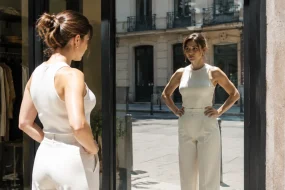
A forty-dollar jacket that fits perfectly across the shoulders reads better than a four-hundred-dollar jacket pooling at the wrists. This is not a metaphor. Fit is the structural grammar of a look, and when it is wrong, everything else is a distraction from the problem.

The shoulder seam of a jacket is the one thing that cannot be moved without significant cost and structural risk. Everything else, a trouser hem, a waist taken in, a sleeve shortened, falls within the range of what a skilled tailor handles for a modest price. Building the habit of taking things to a tailor before wearing them means that pieces bought at any price point look like they belong to the person wearing them.

This also extends to sizing up deliberately when something is borderline. A trouser that can be taken in is recoverable. A trouser that was bought too small and splits a seam is finished.

Let One Trend In at a Time

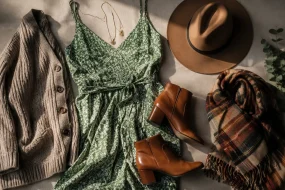
Abandoning trend entirely is one approach. A more livable one is selective participation: allowing one trend-adjacent piece per season, worn against a stable foundation. A current sneaker against a classic trouser, a trending bag against a coat that has been in the rotation for four years. The trend piece reads fresh; the foundation keeps the whole thing from looking like a mood board.

The problem with going all-in on a seasonal moment is that everything peaks at the same time and expires at the same time. When pieces are staggered, some are always at peak while others are settling into the background as context rather than statement. That rhythm is what makes a wardrobe feel curated instead of purchased.

Build Loyalty to Makers, Not Markets

One of the quieter strategies behind durable wardrobes is finding two or three makers whose proportions, materials, and design sensibility reliably fit a particular body and aesthetic, then returning to them repeatedly. This is not brand loyalty in the marketing sense. It is pattern recognition.

When a trouser from a specific workwear brand consistently falls at the right break and survives years of wear, that is a data point. Buying a second and a third pair of the same trouser in different weights or colors is not a failure of imagination. It is how a stable wardrobe gets built: through tested repetition rather than constant experimentation.

Makers who sell the same essential pieces year after year, updated in small details but not reinvented seasonally, are exactly the ones worth tracking. They are often less visible than labels that generate news, but their archives hold clothes from fifteen years ago that still look purposeful.

Wear Things Until They Develop a History

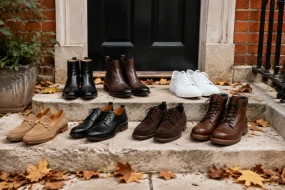
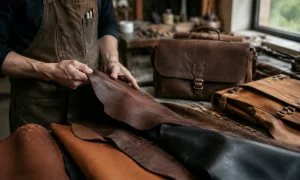
The last thing that separates a style that lasts from one that turns over constantly is a willingness to keep wearing a piece long enough for it to become something. A leather boot worn for six years has creases that tell a story. A linen blazer washed and dried a hundred times develops a softness that new linen cannot fake. These things start to look like they belong to someone rather than something they just bought.

Fast fashion as a system depends on the opposite impulse: the feeling that something worn several times is used up. That feeling is manufactured. A well-made garment at year eight has more character than a cheaply made one at year one, and character is what makes a person’s style feel real rather than assembled.

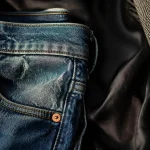
A coat that has been resoled twice, a watch that was bought secondhand and worn every day, a pair of jeans faded unevenly from actual use: these are the pieces that people notice. They read as evidence of a life rather than evidence of a shopping cart.

Leave a Reply

Your email address will not be published. Required fields are marked *