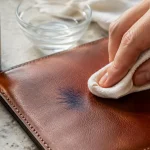
Certain price tags carry an implicit contract. Pay enough, the logic goes, and the thing you bought will outlast you, or at least outlast your patience with it. A $600 leather duffel. A $400 cast-iron skillet. A $900 mechanical watch bought on the premise that it will never need replacing. The premium signals quality, and quality signals durability. The argument is intuitive, almost moral: you get what you pay for.


But the relationship between price and longevity is genuinely complicated, and treating it as simple in either direction costs people real money.

What “Built to Last” Actually Requires

Durability is not a single property. It breaks down into at least three distinct things: material quality, construction method, and design intent, and an expensive product can have two of the three while failing completely on the third.

Material quality is the most legible of the three, which is why brands lean on it hardest. Full-grain leather versus bonded leather.316 stainless versus 304. Solid brass versus zinc alloy with a brass finish. These distinctions are real. Full-grain leather develops a patina and can be conditioned for decades; bonded leather, which is essentially leather scraps glued to a fabric backing, peels within a few years under normal use. The material difference justifies a meaningful price gap, though rarely the full gap that actually exists at retail.

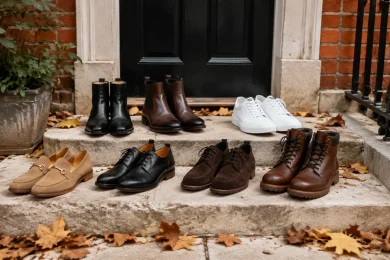
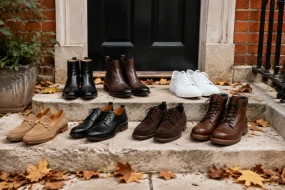
Construction method is less visible and more important. A jacketstitched with reinforced seams at stress points will outlast a jacket cut from the same fabric but assembled with shortcuts at the shoulders. A boot welted to its sole can be resoled three or four times over its life; a boot with a glued sole becomes disposable once the adhesive fails. These are decisions made in the factory, often invisible to the buyer, and they matter far more than the material spec sheet in determining how long something actually holds together under use.

Design intent is the one that rarely gets discussed honestly. Some products are engineered for repairability. Others are engineered to be replaced. And here the expensive-brand story gets uncomfortable.

The Planned Replacement Problem

Luxury brands and premium lifestyle brands are not the same thing, though they occupy adjacent shelf space in people’s minds. True luxury goods, the kind made in limited volume with obsessive attention to construction, often do last. A bespoke suit from a Savile Row tailor, built on a personal pattern that lives in a shop for decades, is a genuine heirloom. A custom pair of boots from a traditional cordwainer is resoleable indefinitely. These things are expensive because they are expensive to make well, and they are made to last because their buyers expect them to and will complain loudly when they do not.

Premium lifestyle brands operate under different incentives. Their revenue depends on repeat purchases and new seasonal releases, not on products that disappear from circulation for thirty years. A luxury goods conglomerate reporting quarterly to shareholders has structural reasons to produce goods that last long enough to satisfy the initial customer but not so long that the customer never needs another one. This is not a conspiracy; it is just the logic of the business model made visible.

The outdoor and workwear categories make this tension especially clear. Companies that built their reputations on gear that took genuine abuse, heavy canvas, reinforced knees, actual welt construction on boots, have in some cases maintained those standards. In others, they have kept the price and the heritage marketing while quietly shifting to lighter materials and glued construction. The jacket still looks the part. It costs what it always cost, adjusted for inflation. It lasts notably less long.

Where the Price-Durability Link Actually Holds

This is not a blanket indictment. There are categories where expensive does reliably mean durable, and they share a few identifiable traits.

Hand tools are the clearest case. A well-made hand plane, a quality set of chisels, a properly forged hammer: these things hold an edge, take a beating, and can be restored when they eventually dull or rust. The secondary market for vintage hand tools is active precisely because tools made 60 or 80 years ago are still usable and often preferable to cheaper modern versions. The mechanism is simple: the tool has no electronics to fail, no adhesive to degrade, no moving parts that cannot be serviced with basic skill. Durability here is almost purely a function of steel quality and basic construction, and better steel genuinely costs more.

Cookware follows a similar logic, with somecaveats. A heavy carbon steel pan or a traditional cast-iron skillet from a quality foundry will outlast any owner who bothers to use it. The material is essentially indestructible under normal cooking conditions. Expensive stainless-clad cookware with aluminum cores is also genuinely more durable than the thin stamped pans at the low end of the market, because the thickness prevents warping and thecladding does not separate. Where this breaks down is with anything nonstick: a $200 nonstick pan degrades at roughly the same rate as a $30 one, because the coating is the weak point regardless of what it sits on.

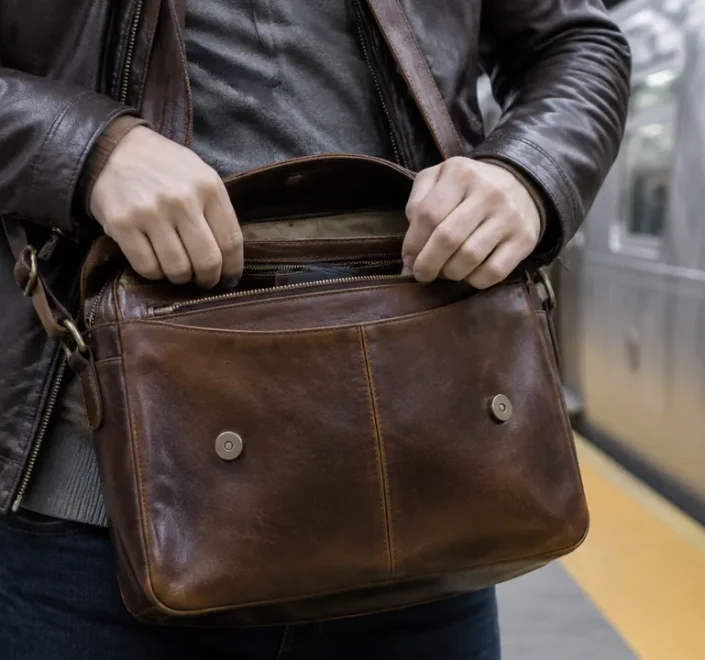
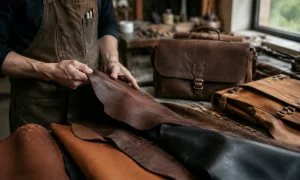
Leather goods made by smaller, craft-oriented producers often hold up because the maker’s reputation depends entirely on long-term performance. A small belt or bag maker with a tight following cannot survive customers whose purchases fall apart in two years. The incentive structure differs from a conglomerate brand where the logo does most of the selling.

The Categories Where Premium Buys You Almost Nothing in Longevity

Electronics. Expensive electronics last longer than cheap ones up to a certain threshold, mainly because they use better components and run cooler, which matters for longevity. Past that threshold, the durability gains flatten and the price keeps rising. A flagship phone from a major brand does not last twice as long as a solid mid-range phone from the same manufacturer; it offers more performance headroom and a better camera. That is a legitimate reason to buy it. Durability is largely incidental.

Software-dependent devices are a special case. A $3,000 laptop will eventually fail to run current software not because anything broke, but because the software ecosystem moved on. The physical machine might be fine. The effective lifespan is set by a decision made in a boardroom, not by any material property of the product itself.

Sneakers and fashion footwear sit in a strange zone. Some expensive sneakers use legitimate performance materials and will hold up well under hard use. Many expensive sneakers are expensive because of the name on the heel and the limited release mechanism that creates scarcity, neither of which has any relationship to the rubber compound or the adhesive holding the sole on. The sneaker resale market, which treats deadstock condition as a virtue, has actually helped generate a category of very expensive shoes that are never worn and therefore never tested. Their durability is theoretical.

The Repair Question That Changes the Calculation

A product is only as durable as the infrastructure around it. A $500 pair of boots with a welted sole is repairable, but only if there is a cobbler within reach who still does welt repairs, and fewer do every decade. A luxury watch is theoretically serviceable for generations, but the service cost from an authorized center can approach the original purchase price, and some brands have structured their parts supply to ensure that only authorized service centers can perform certain repairs, at authorized prices.

The right-to-repair pressure on consumer electronics has made this dynamic visible in a way it previously was not. When a manufacturer designs a product with proprietary fasteners, glued-in batteries, and components that cannot be sourced independently, the durability of the physical materials becomes almost irrelevant. The product’s lifespan is set by the service policy, not by the aluminum chassis or the quality of the display glass.

This is where the honest shopper starts asking a different question. The question shifts from “is this brand built to last?” to “is this specific product serviceable when something fails?” A $180 work boot with a cemented sole cannot be resoled. A $320 boot from the same brand, built on a Goodyear welt, can. The $140 gap buys a fundamentally different use life, not just better leather.

Vintage Prices and What the Secondhand Market Reveals

Secondhand markets are an underused signal. If an expensive brand’s products are genuinely built to last, old examples should hold value and stay functional. The vintage market for certain brands confirms the premium; the market for others is thin, or full of items described as “showing significant wear” after only a few years of use.

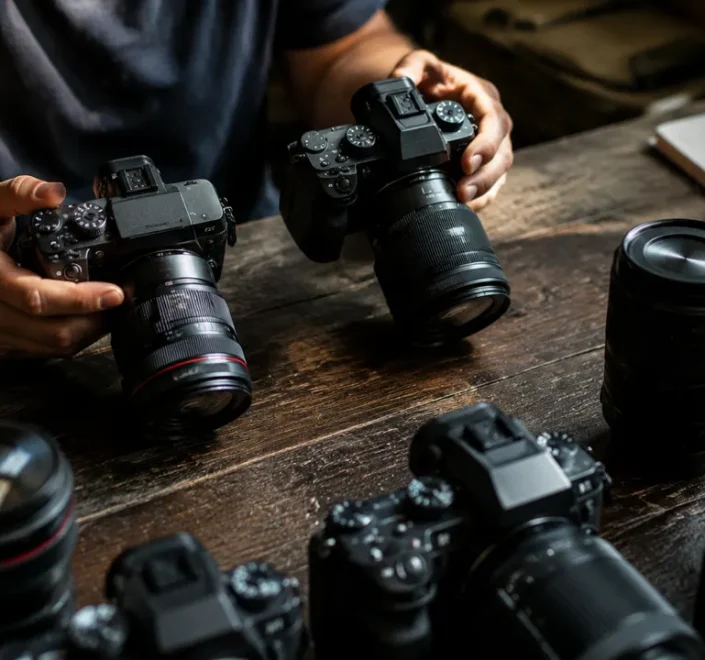
Cast-iron cookware from the early twentieth century trades briskly and is preferred by serious cooks over modern equivalents. Certain American-made work boots from the 1980s and 1990s, before particular brands moved significant production overseas, command prices that reflect their construction quality. Old Leica cameras still function. Old Rolex watches still run. These are not nostalgia purchases; they are performance purchases backed by demonstrated longevity.

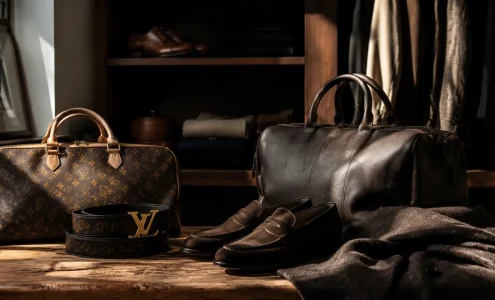
On the other side, the secondhand market for many contemporary luxury fashion items is almost entirely driven by logo value and condition theater, not by any functional quality the item still possesses. The bag is worth money because the bag is worth money. Whether it would survive another decade of actual daily use is a separate question that the resale listing is not designed to answer.

The clearest version of this is the difference between buying a vintage tool that was made to be used hard and buying a contemporary luxury item that was made to be recognized. One of them was designed with a long use life as a core requirement. The other was designed with a recognizable silhouette and a price point that signals status. Both can be expensive. Only one of them was built to last in any practical sense of those words, and the secondhand price, stripped of brand heat and seasonal fashion, usually makes the distinction plain enough.

Leave a Reply

Your email address will not be published. Required fields are marked *