


Fourteen days. The same dress, washed and re-worn, through a heat wave, a work presentation, a long weekend road trip, and one dinner where someone actually complimented the outfit without knowing it was the only one in rotation. That was the real test, and the dress passed.
The dress in question is a midi-length Tencel twill in a faded terracotta, bought on a whim in late spring because the fabric felt like something between a worn linen shirt and very light denim. Tencel is the brand name for lyocell fiber spun from wood pulp, mostly eucalyptus, in a closed-loop process that recovers nearly all its solvent. That backstory matters less in practice than what the fiber actually does on your body in August, which is: cool you down, not trap you in a damp cocoon.
What a Daily Wear Test Actually Measures
Wearing one piece of clothing every day for two weeks is less about the garment proving something and more about stripping away the noise of a full wardrobe. Most people rotate clothes often enough that they never discover how a fabric actually ages, how it responds to repeated washing, or whether a silhouette holds its shape past the third wear. Two weeks without rotation forces an answer.
The rules were simple: hand wash or machine wash on delicate every two to three days depending on sweat and activity, air dry, no ironing unless absolutely necessary. The dress started the two weeks crisp and slightly stiff in the bodice. By day four it had relaxed into something better, draping softly instead of holding a rigid shape. That break-in is real and worth knowing about before dismissing a new Tencel piece as too structured in the fitting room.
The Heat Problem and How Tencel Actually Handles It
The two weeks fell mostly during a stretch of high humidity and temperatures in the low nineties. That context is everything. A fabric that performs fine at 75 degrees and fails at 91 is not a fair-weather garment worth daily reliance on.
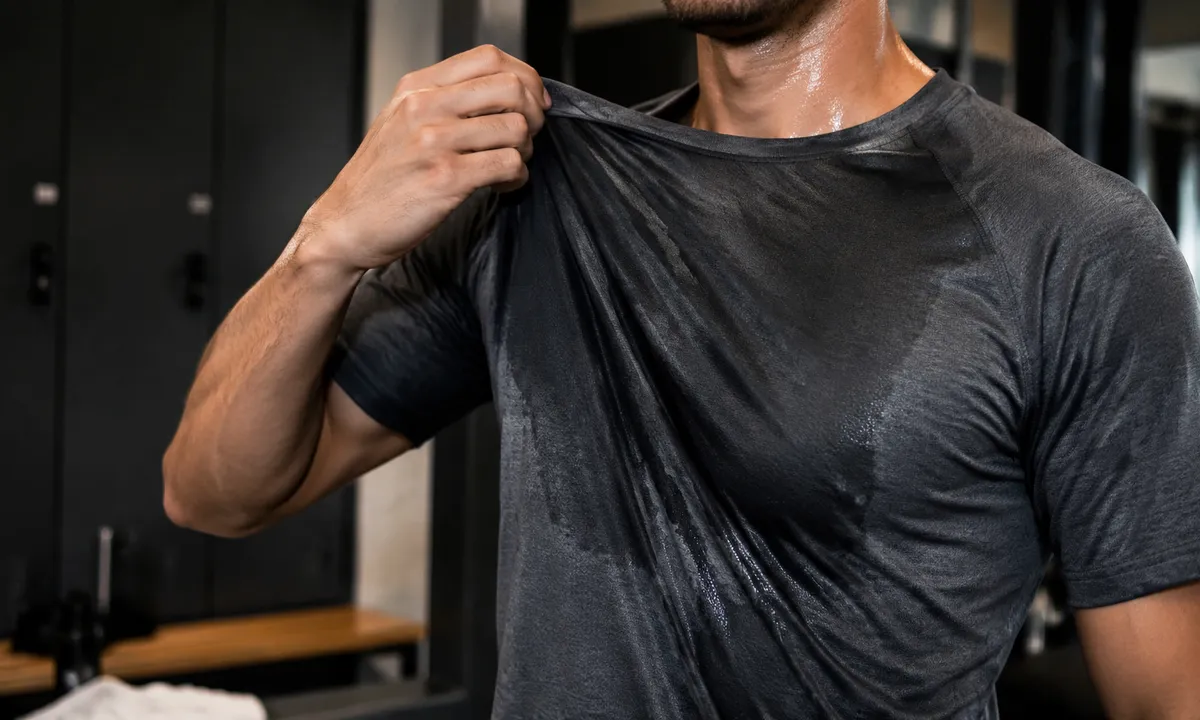
Tencel lyocell absorbs moisture into its fiber rather than sitting on the surface the way synthetic fabrics do. In practice this means sweat is pulled away from skin and dispersed, which keeps the dress from sticking or showing obvious wet patches after a walk to lunch. The tradeoff is that the fabric can feel slightly damp to the touch when the humidity is genuinely oppressive, but it dries faster than cotton would in the same conditions. On the worst days, a brief air-conditioned stretch was enough to bring it back to dry.
One afternoon involved a 40-minute walk and then a meeting. The dress went from sun to conference room without a wardrobe change. That is the kind of transition most light-fabric garments either fail (arrive wrinkled and visibly sweated-through) or require a ritual (blotting, re-tucking, spraying with something). This one needed a few minutes to cool down and looked presentable. Not immaculate, but presentable, which is the honest standard for a daily-wear piece.
Wrinkles: the One Honest Complaint
Tencel wrinkles. This is the fact that promotional copy tends to soften and that any real daily wearer will confirm on day two. The specific wrinkle pattern is not the deep crease of a linen blazer or the catastrophic fold of a cotton button-down shoved in a bag. Tencel wrinkles settle into soft, low-contrast creases that read as relaxed on a casual silhouette and slightly sloppy on a structured one. A boxy midi dress in this fabric falls into the first category. A fitted blazer would fall into the second.
Sitting for three hours on a long drive and then stepping out produced visible seat wrinkles from mid-thigh down. They shook out about 80 percent after five minutes of walking. The remaining 20 percent stayed until the next wash. For a road trip in July, this is a reasonable outcome. For a job interview, it would require steaming the hem before leaving the car.
How the Fabric Held Up Through Repeated Washing
Six washes in two weeks, alternating machine delicate with a gentle hand wash in the sink. The color held. The terracotta shifted not at all in a way visible to the eye. The weave stayed intact with no pilling, which is one of Tencel’s genuine structural advantages: the fiber is smooth at a microscopic level, so surface friction between fabrics in a wash cycle does not generate the fuzz balls that show up on softer knit fabrics after a handful of washes.
The fit did change in one specific way. The waist tie, a self-fabric sash, lost some of its body and started to feel limp rather than structured by week two. Tying it in a smaller knot closer to the body solved the look, but it was a noticeable shift. Any construction detail in Tencel that relies on the fabric holding a crisp shape will soften over time. That is not degradation exactly, but it is a change worth anticipating.
The Occasions This Dress Actually Covered
A work presentation on day three. A birthday dinner on day six. Two days of driving through rural upstate New York with stops at roadside produce stands and a state park. Grocery runs, coffee walks, a Saturday afternoon at a friend’s apartment where the dress got a glass of white wine on the hem (cold water rinse immediately, no stain remained).
That range of use is the real selling point of a well-cut midi dress in a fabric that reads dressed-up or casual depending on what it is paired with. With sandals and no jewelry, it was a farmers market outfit. With block-heeled mules and earrings, it became a dinner option without any stretch of the imagination. A single piece carrying that range is not a common thing.
The road trip days were the ones that revealed the most. Being in the same garment for 10 hours, including a sweaty hike and then a restaurant dinner, required the dress to do things that a dedicated hiking outfit or a dedicated dinner outfit handles individually. It managed both adequately. Adequately is not a weak word here. Adequately for 10 hours of varied activity, repeated across days, is a high bar.
The Environmental Claim, Held to a Harder Standard
Tencel’s sustainability argument rests on the closed-loop manufacturing process and the use of sustainably sourced wood pulp. These are real distinctions compared to conventional viscose or rayon, where the chemical process is more wasteful and the sourcing standards are less reliable. The Lenzing company, which produces Tencel fiber, publishes its certifications and they are verifiable.
Where the sustainability story gets murkier is downstream: the garment’s actual lifespan, the behavior of the brand producing it, the shipping, the dyeing process. A Tencel dress from a fast-fashion retailer with a three-wear lifespan does not become a responsible purchase because the fiber had a cleaner origin. The fiber is the beginning of the story, not the whole thing.
Wearing the same dress every day for two weeks is one way to stress-test whether a garment is actually built for the kind of use that makes a purchase defensible. This one is. After 14 days and 6 washes, it does not look like a garment that is about to fall apart. The seams are clean, the color is intact, and the fabric still drapes the way it did on day one after a wash and air dry. That longevity is where the sustainability claim earns its credibility in practice, not in the fiber certification alone.
What Day Fifteen Looked Like
The dress went back into rotation on day fifteen, not retired, not donated, not reassigned to a lesser drawer. The two-week experiment confirmed something that most closet-editing advice gestures at without testing: the willingness to keep reaching for a piece after the novelty is gone is the only real measure of whether it belongs. On the fifteenth morning the dress was a clean, slightly worn-in terracotta midi that required no decision-making, which is exactly what a garment that has earned its place feels like.